
 English
 русский
 Español
 عربى

Content
- 1 What the Metal Coil Lamination Market Is Really Buying
- 2 Demand Drivers That Shape Specifications
- 3 Process Routes and Cost Trade-offs
- 4 Where Equipment Choices Affect Market Access
- 5 Quality Checks and Procurement Risks
- 6 How to Read Market Claims and Supplier Proposals
- 7 Conclusion: Qualify First, Then Scale
A coil processor often discovers the real cost of metal coil lamination at the first customer audit, not at the quotation stage. The sample looks right and the line runs, but the film peels after bending, the color shifts between batches, or the fire certificate does not cover the actual build-up. That is why the metal coil lamination market should be read as a qualification market first and a capacity market second. Demand is strongest where metal needs protection, decoration, or a functional surface, but the winners are suppliers who can hold adhesion, appearance, and compliance across a full production run.
This article explains the commercial and technical forces behind that demand, compares common lamination routes, and sets out what buyers should verify before choosing a coil coating or lamination line.
What the Metal Coil Lamination Market Is Really Buying
Metal coil lamination covers several related processes. A thin film can be bonded to aluminium or steel coil for protection during forming or transport. A decorative film can provide color, texture, or a printed pattern. A functional film can add weatherability, scratch resistance, or electrical insulation. In many plants, lamination follows coil coating, printing, or pretreatment, so the market intersects with prepainted metal, metal composite panels, appliances, building envelopes, and transport components.
The important distinction is between a coating line and a lamination line. A coating line applies liquid paint or primer and cures it. A lamination line bonds a film or foil to the strip, usually with an adhesive system, heat, and pressure. Some lines combine both. Buyers who treat these processes as interchangeable tend to underestimate adhesion control, tension control, and the cost of curing.
| Route | Typical use | Main purchase check |
|---|---|---|
| Protective film lamination | Transport protection and temporary surface guard | Peel strength, residue after removal, UV stability |
| Decorative film lamination | Appliance panels, interior cladding, signage | Color consistency, texture, scratch resistance |
| PUR or reactive adhesive lamination | Functional films and higher durability demands | Cure control, nip pressure, line tension |
| Coating plus print plus lamination | Precoated coil with added film or pattern | Layer compatibility, pretreatment, curing window |
Demand Drivers That Shape Specifications
Construction remains a strong demand base because metal composite panels and cladding need both appearance and fire performance. A2 and B1 classifications influence material build-up, core selection, and the process window. When a project specification calls for A2, the lamination line must be matched to the core and adhesive system, not simply to the film. Fire performance is a system property, so a supplier should be able to explain how the line handles core thickness, bonding temperature, and edge quality.
Appliances and consumer products pull the market toward decorative and protective films that survive bending, cleaning agents, and repeated handling. Transport and industrial applications add corrosion resistance, stone chip resistance, and low weight. Across all segments, buyers are asking for thinner metal, wider coils, faster changeovers, and more consistent surface quality. That pressure favors lines with reliable tension control, uniform nip pressure, and clean pretreatment.
Cost pressure is real, but it rarely rewards the lowest line price for long. A line that loses yield through edge trim, rework, or inconsistent adhesion can cost more than a better specified line within a few production campaigns.
Process Routes and Cost Trade-offs
Wet adhesive lamination is flexible and can suit films that need a measurable adhesive layer. Dry film lamination is cleaner and can reduce solvent handling, but the adhesive film must match the substrate and the downstream forming operation. PUR lamination offers strong bonds and good durability, yet it demands disciplined cure control and clean application. Coating plus lamination allows a plant to combine primer, color, print, and film in one flow, but each additional layer adds a compatibility check.
The practical rule is to start with the end use. If the coil will be bent sharply, the film and adhesive must tolerate elongation. If the panel will face weather, the top film and edge sealing matter as much as the bond. If the product needs a Class A surface, dust control and nip cleanliness become production issues, not housekeeping details. A line specified around the process window will usually outperform a line specified around maximum line speed.
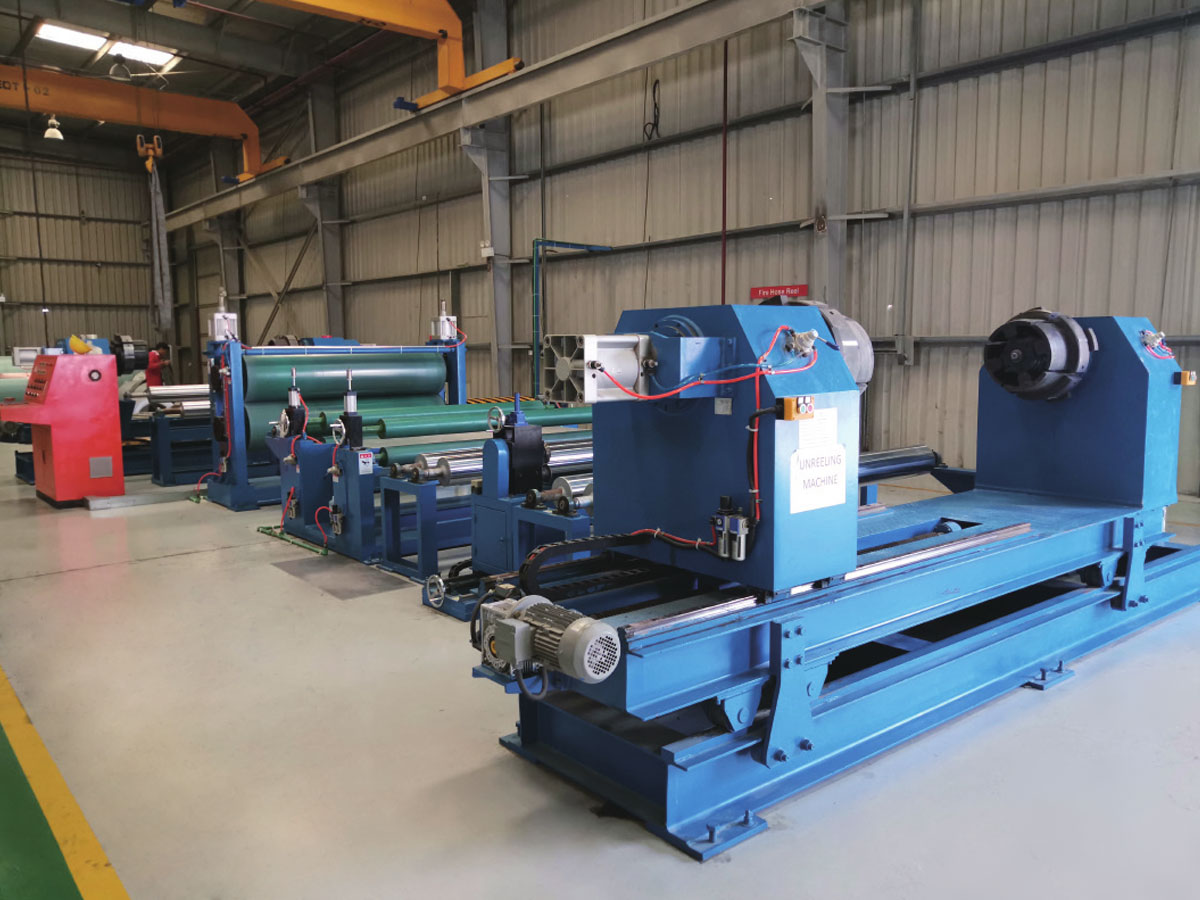
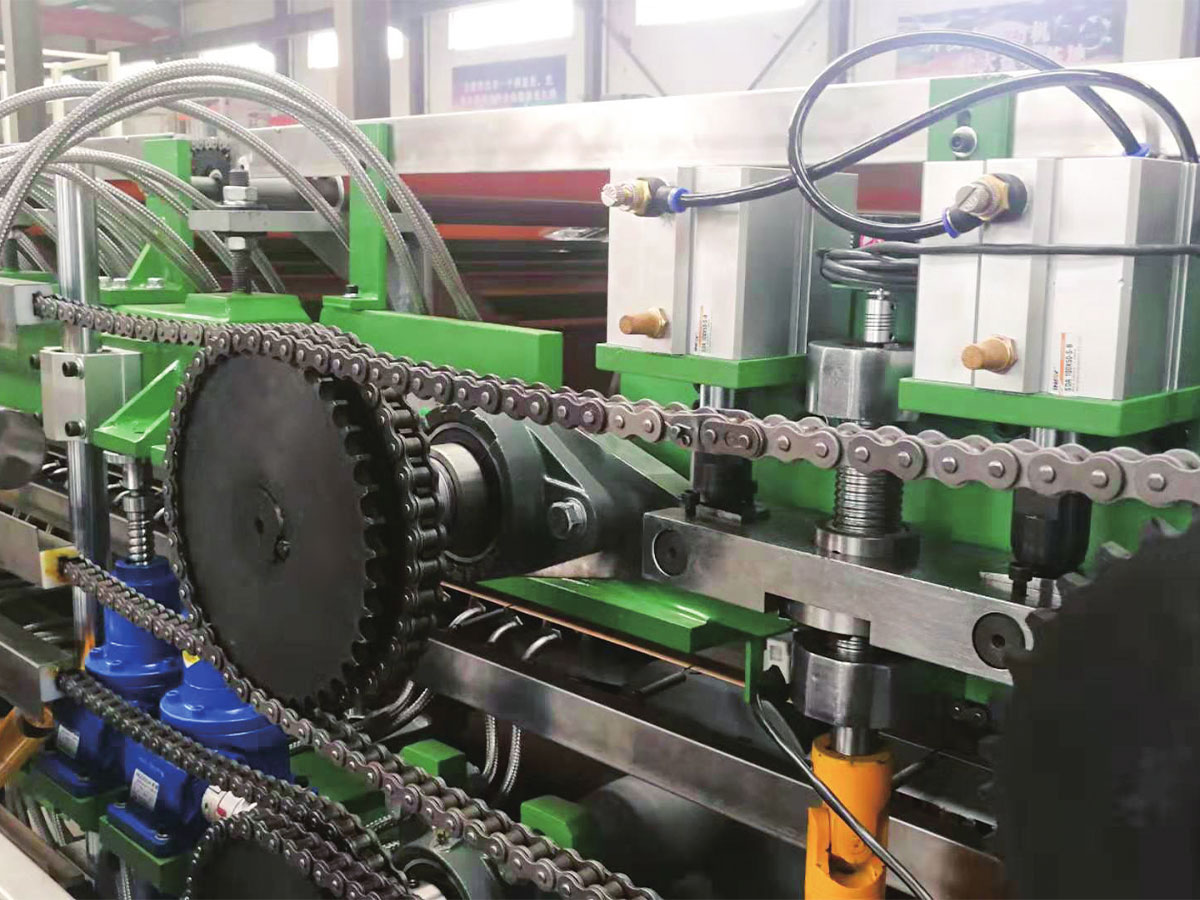
 PUR Coating and Film Lamination LinePUR coating and film lamination line for applying reactive hot-melt adhesive to metal, plastic, wood, and glass before functional film bonding.View Product →
Where Equipment Choices Affect Market Access
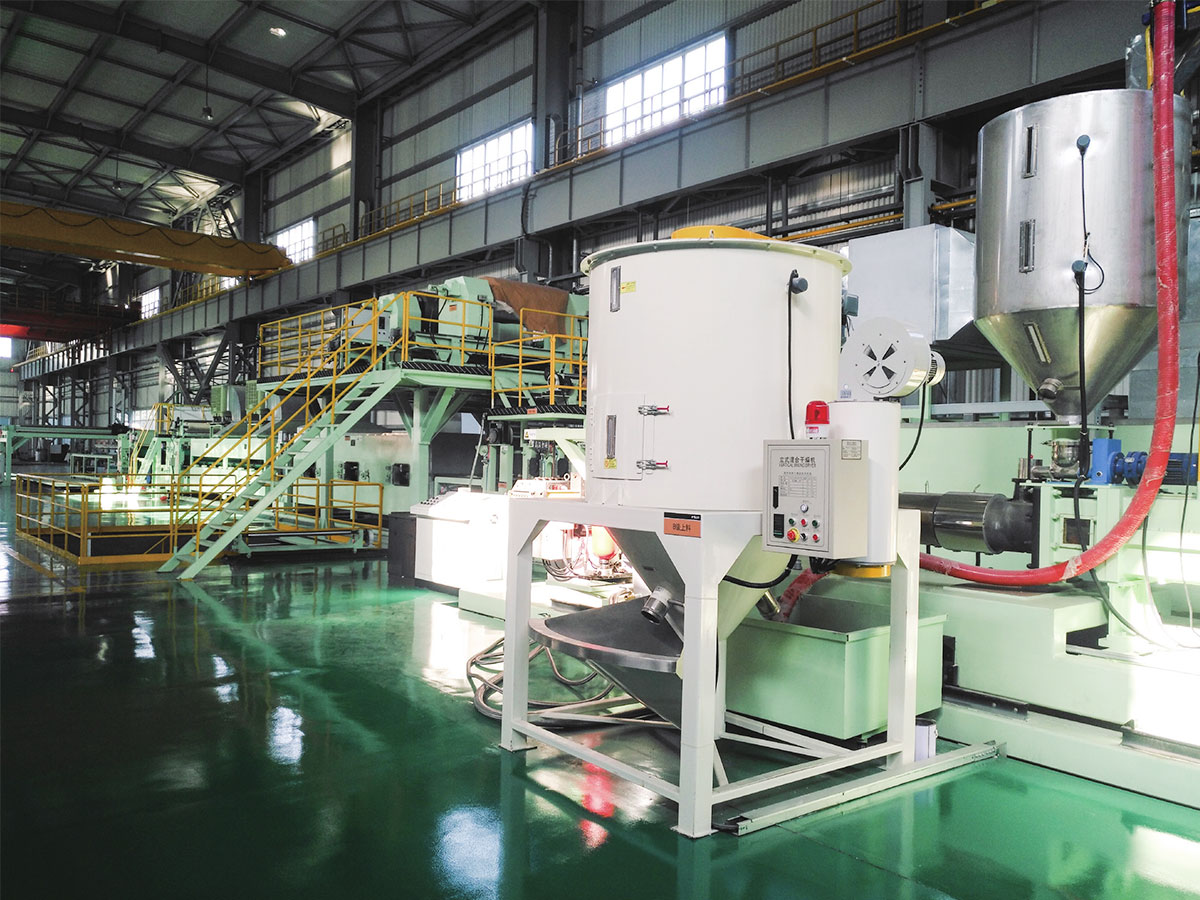
For coil coaters, the entry point is often a coating line that combines pretreatment, coating, printing, and curing. The equipment set should match the substrate, coil width, coating thickness, and solvent or water based chemistry. A coil coating line with good tension control and a stable curing profile helps protect color consistency and adhesion before any film is added. For plants moving into fire rated composite products, an A2 coil production line may be the relevant route because it links core and aluminium coil in a continuous process.
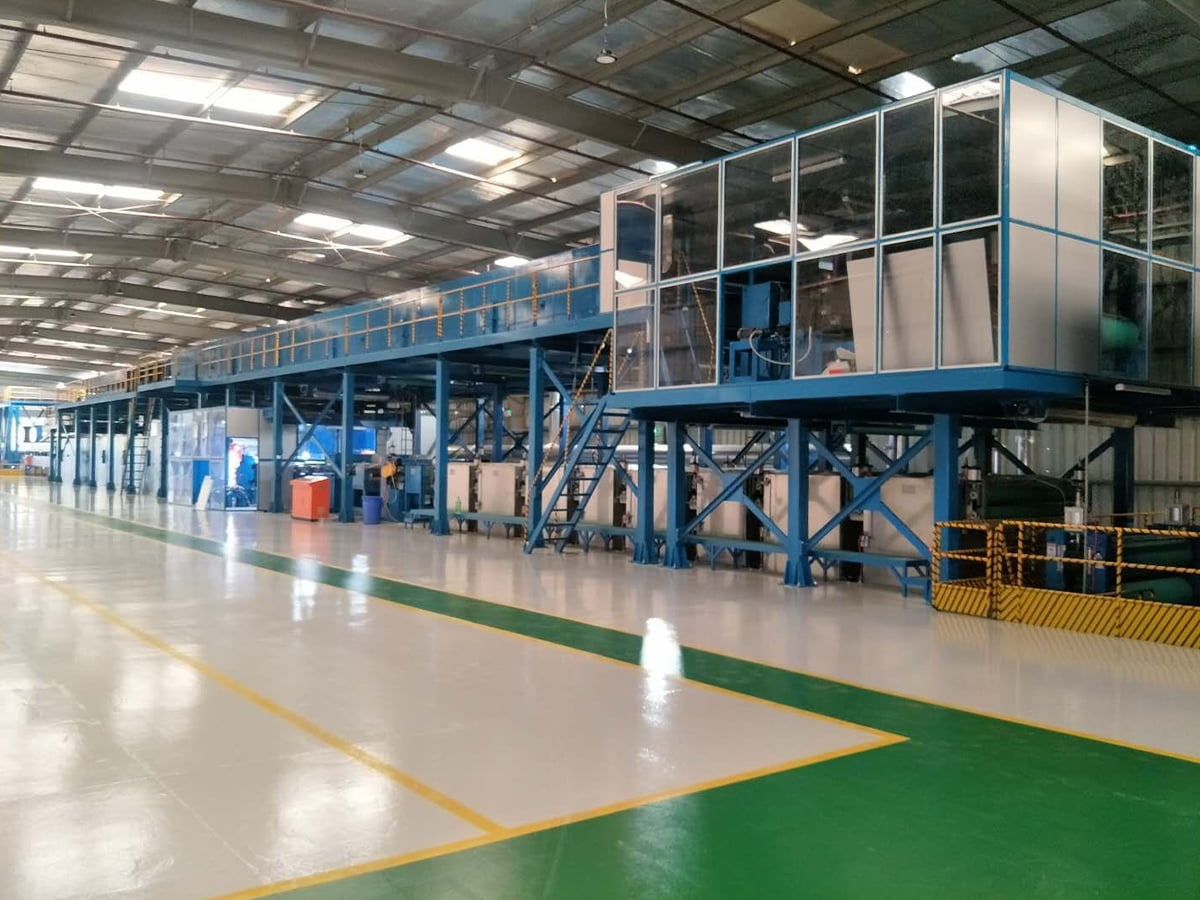
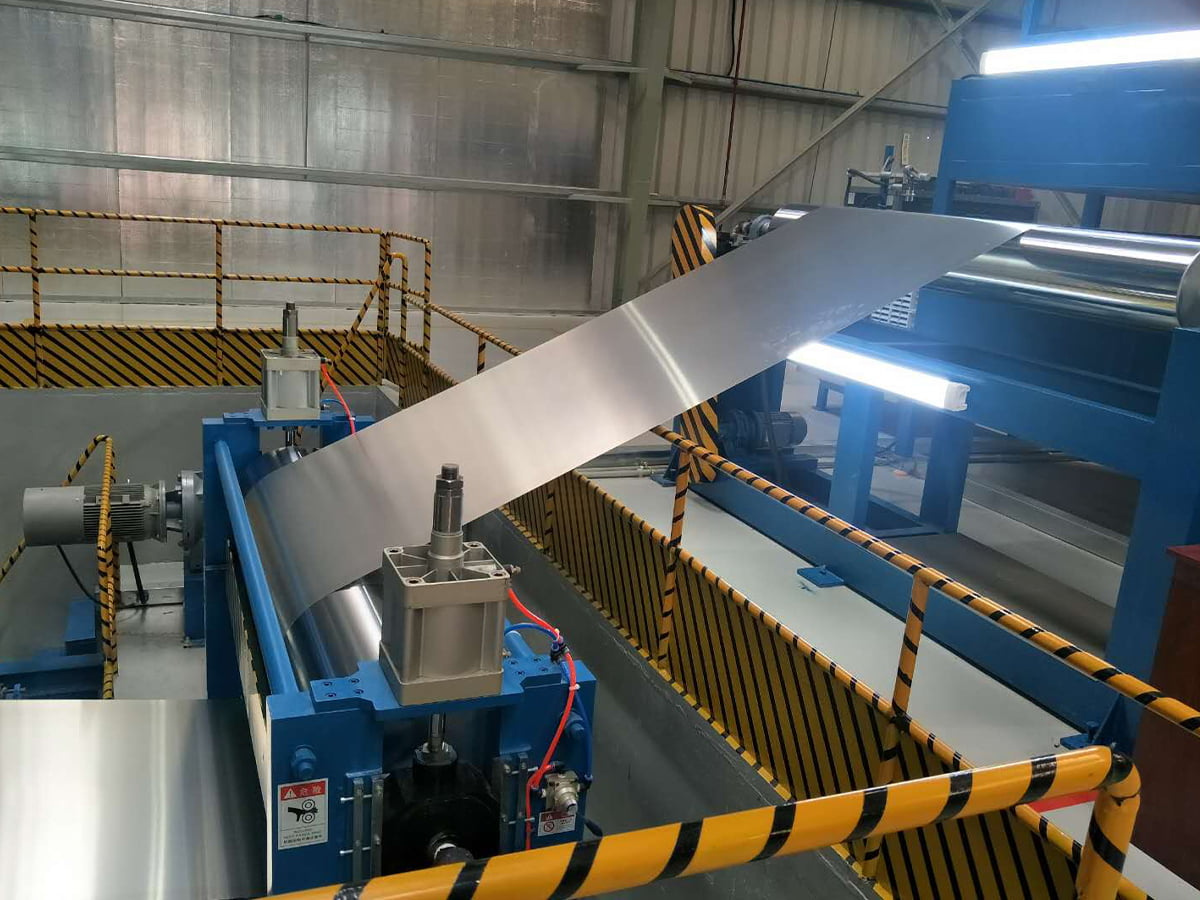 Aluminum/Steel Coil Coating and Printing LineAluminum or steel coil coating and printing line from XieCheng, relevant when evaluating how coating and printing fit before downstream film lamination.View Product →
Suppliers with both coating and lamination experience can help a buyer sequence the process. JiangSu XieCheng Intelligent Equipment, based in Jinhu, Jiangsu, supplies metal coil coating lines, PUR and film lamination lines, and A2 coil composite lines. Its product scope also includes pretreatment cleaning, coil rerolling, embossing, film lamination, and custom built equipment. That range is useful when a buyer needs to connect pretreatment, coating, lamination, and winding rather than buy isolated machines.
Line width, speed, and automation should follow the product mix. A wide line may lower unit cost for long runs, but it can be inefficient for small batches. A narrow line with fast changeover may serve specialist film products better. The same logic applies to curing: a short oven may suit a thin coating, while a heavier build up or a reactive adhesive may need a longer dwell time.
For a closer look at how coating choices affect output, see this discussion of production advantages from a metal coil coating line.
Quality Checks and Procurement Risks
Buyers should test the finished coil under conditions that resemble the customer process. Useful checks include peel strength after bending, adhesion after boiling water or solvent exposure, color and gloss consistency, film thickness, and corrosion performance after scribing. For fire rated products, the certificate must match the actual build up, including core, adhesive, and metal skin.
Common procurement risks include using a film or adhesive that was validated only on a laboratory sample, specifying line speed without confirming cure time, ignoring edge quality, and treating a fire rating as a single material property rather than a system result. Spare parts, operator training, and remote support are also easy to underestimate.
Before acceptance, ask for a trial plan with measurable outputs: line speed, yield, peel strength, surface defects per coil, and changeover time. A supplier that can explain the trial logic is usually better prepared for production support.
How to Read Market Claims and Supplier Proposals
Market reports often describe the metal coil lamination market in broad terms such as construction demand, lightweighting, and protective film consumption. That context is useful, but it does not tell a plant whether a given line will meet its customer specification. A better approach is to build a small qualification matrix: substrate, coil width, film type, adhesive, required fire class, forming severity, and target output. Then ask each supplier to respond against the same matrix.
A proposal should state the process window, not only the headline speed. It should identify the pretreatment steps, the adhesive application method, the laminating nip, the curing profile, and the winding tension range. It should also state what the supplier will prove during commissioning. This makes comparisons fairer and reduces the chance of buying capacity that cannot be used on the intended product.
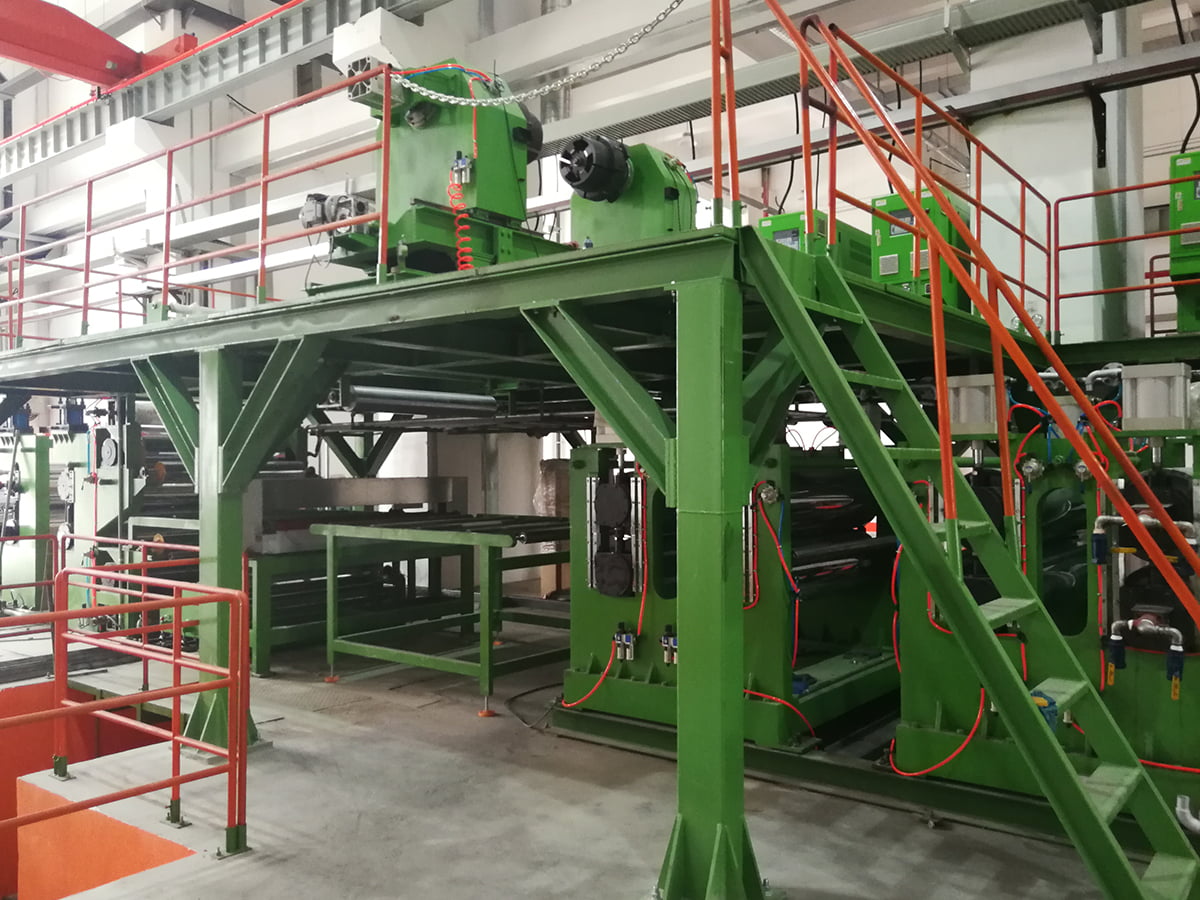
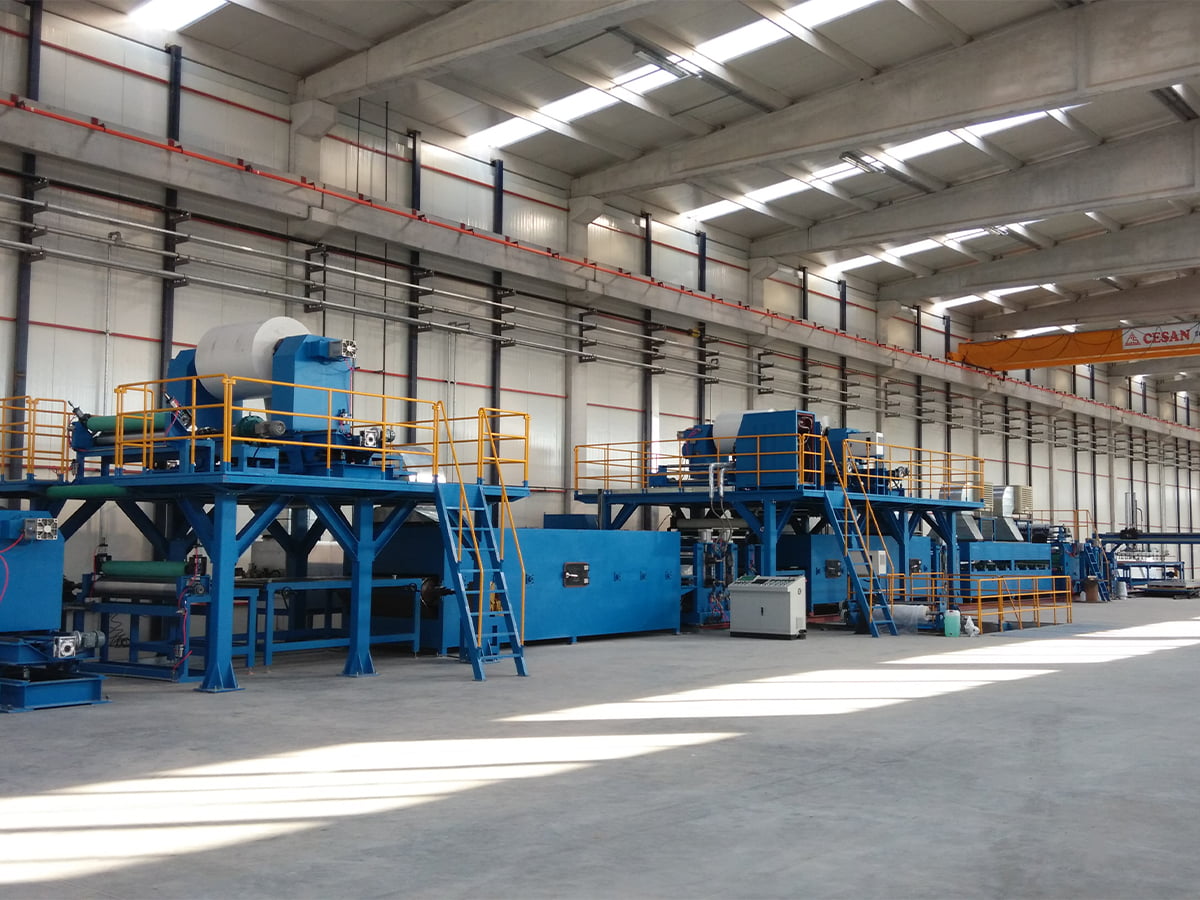 A2 Coil Production and ACP Composite LineA2 coil production and ACP composite line for continuous core and aluminium coil processing, relevant when evaluating fire-rated composite production within a full lamination sequence.View Product →
Conclusion: Qualify First, Then Scale
The metal coil lamination market rewards processors who can prove consistent adhesion, appearance, and compliance across real production conditions. Demand is strongest where construction, appliances, and industrial products need durable surfaces and fire rated builds. The equipment decision should follow the product specification, not the other way round. Start with the end use, test the full layer stack, and choose a line with enough process control to repeat the result.
JiangSu XieCheng Intelligent Equipment supports this qualification approach with coating and lamination lines, A2 coil equipment, and remote, field, and spare parts service. To discuss a specific coil width, film system, or fire rated build up, contact the equipment team with your process requirements.