
 English
 русский
 Español
 عربى
عربى
Content
- 1 How a Color Coating Line Is Structured: The Three Core Stages
- 2 Types of Color Coating Lines by Substrate and Format
- 3 Coating Types Applied on Color Coating Lines
- 4 Cooling and Post-Processing After Curing
- 5 Industries and Applications That Rely on Color Coating Lines
- 6 Key Performance Metrics of a Color Coating Line
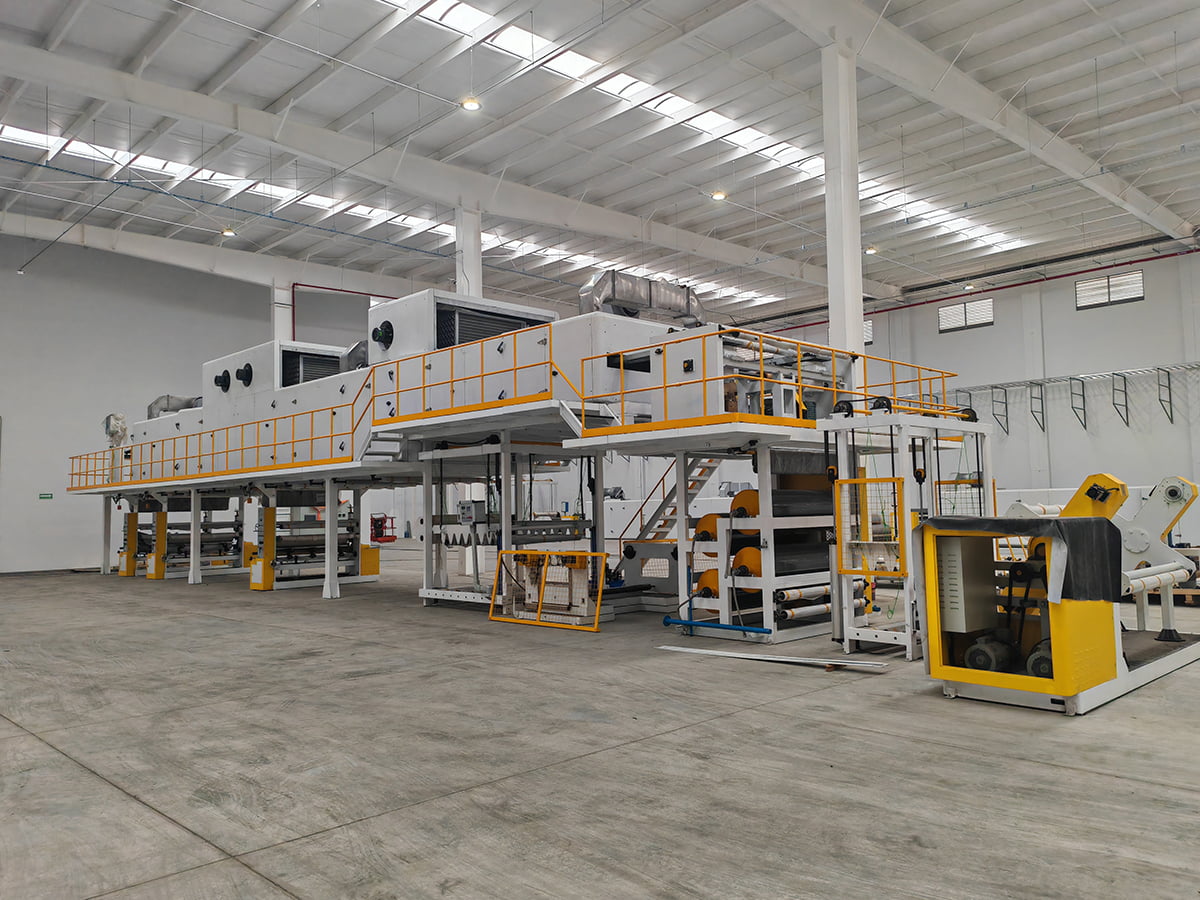
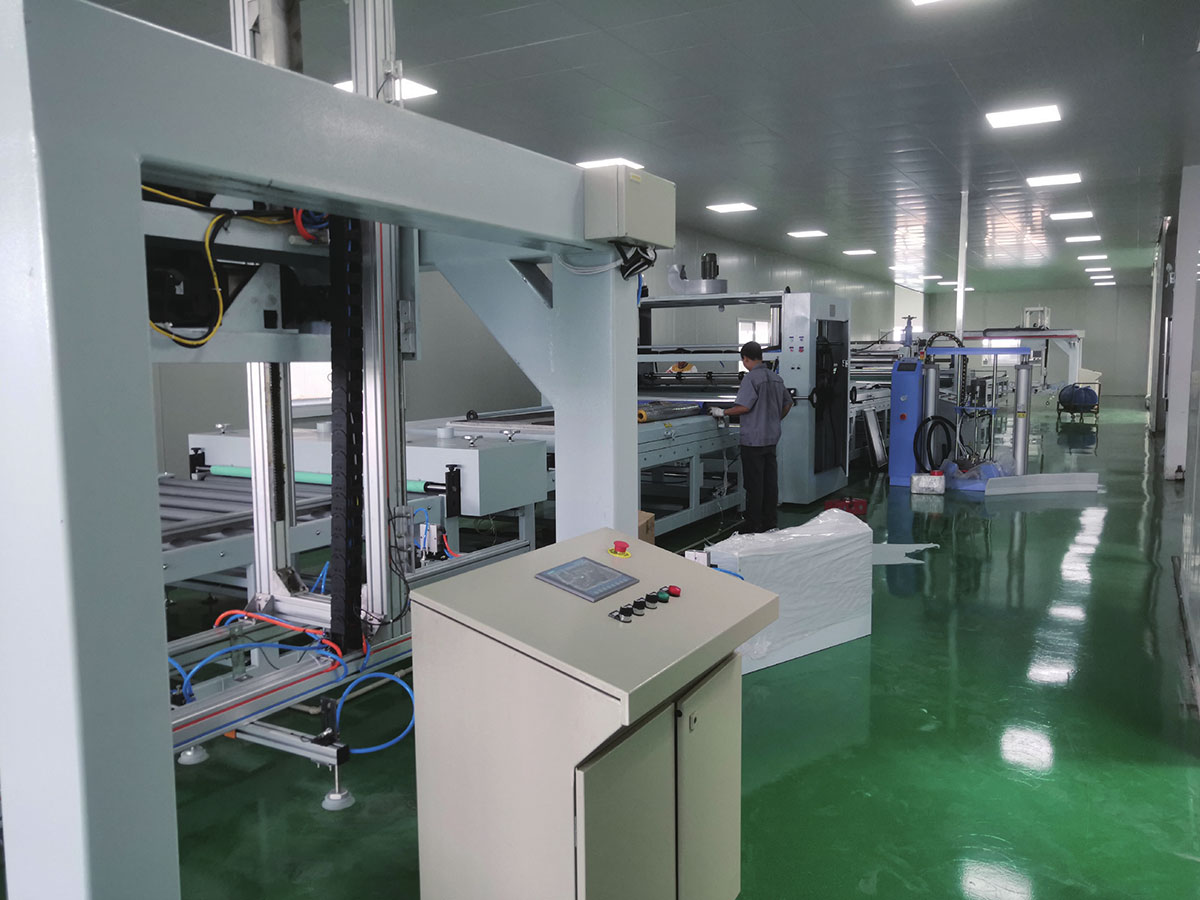
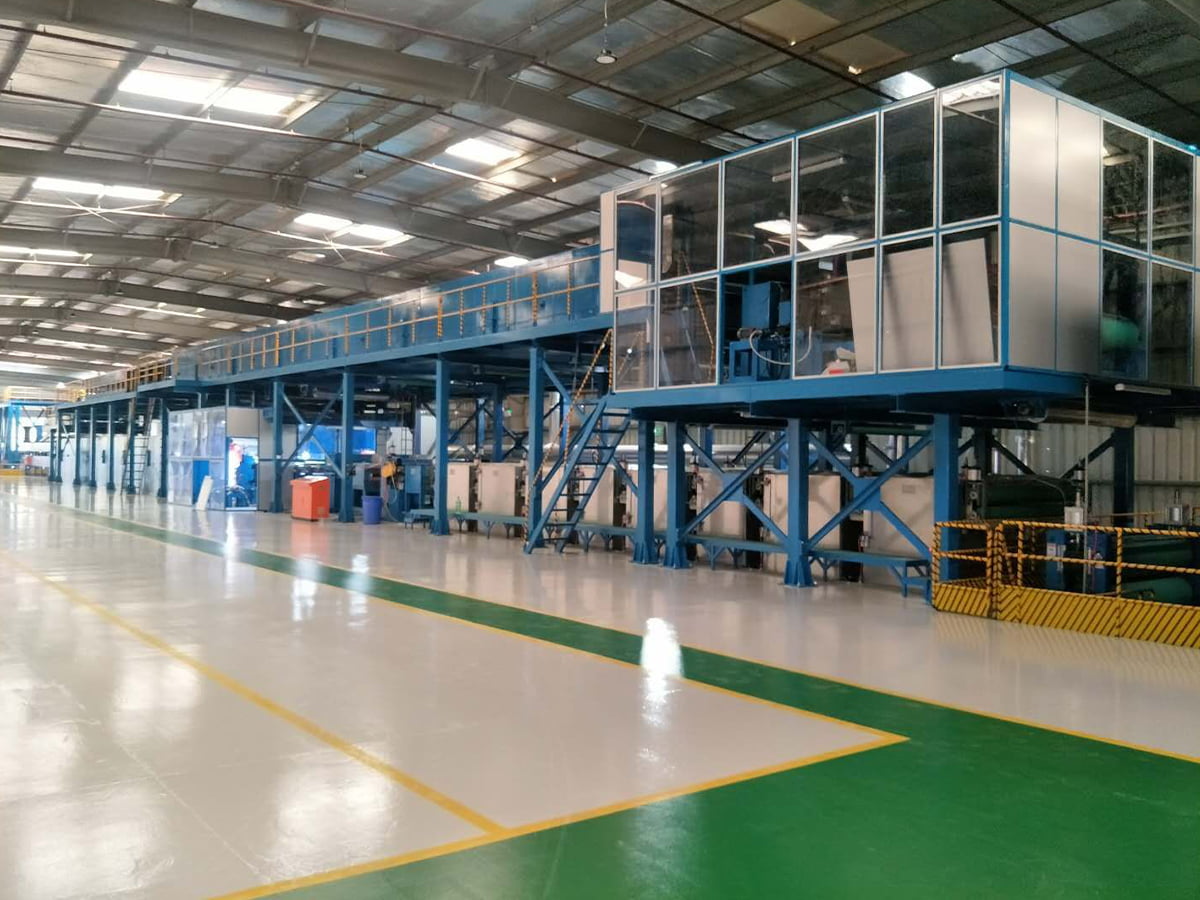
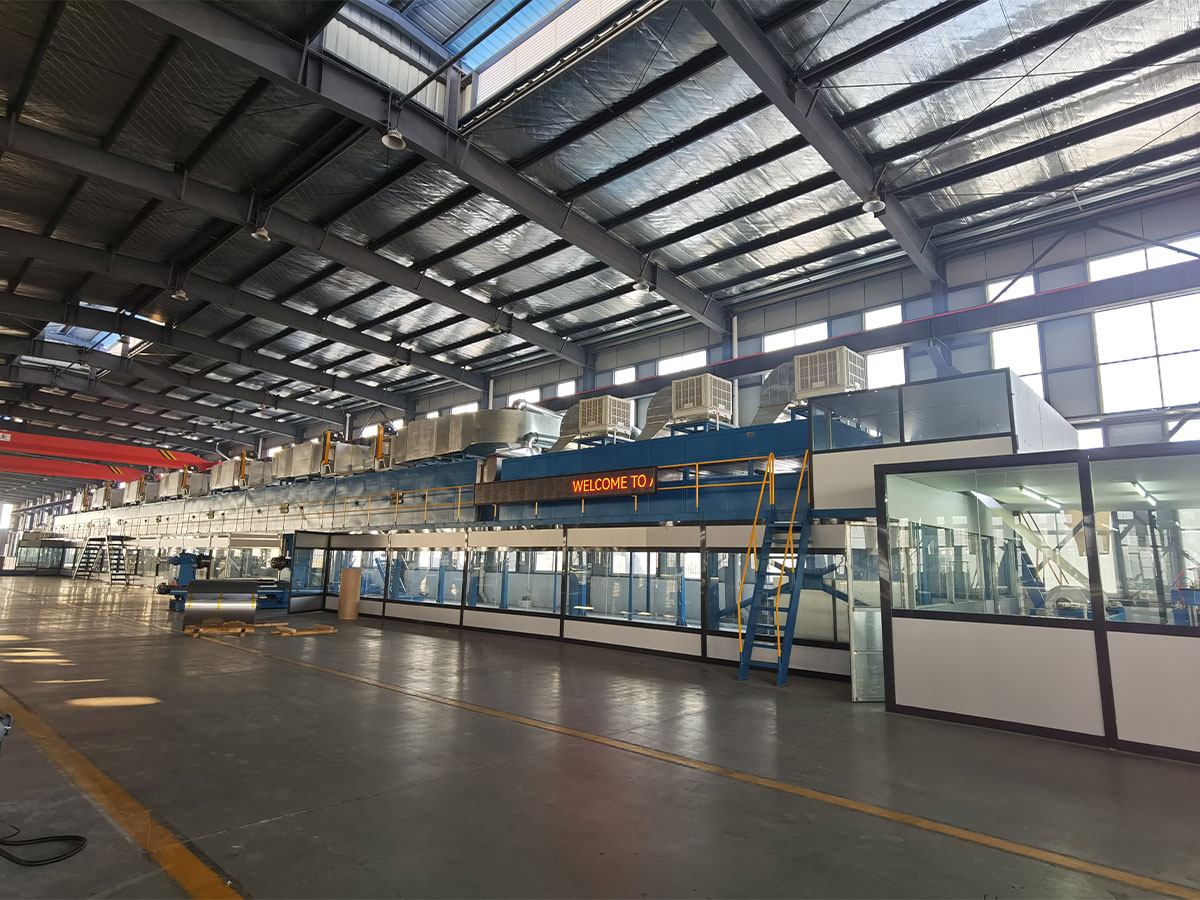
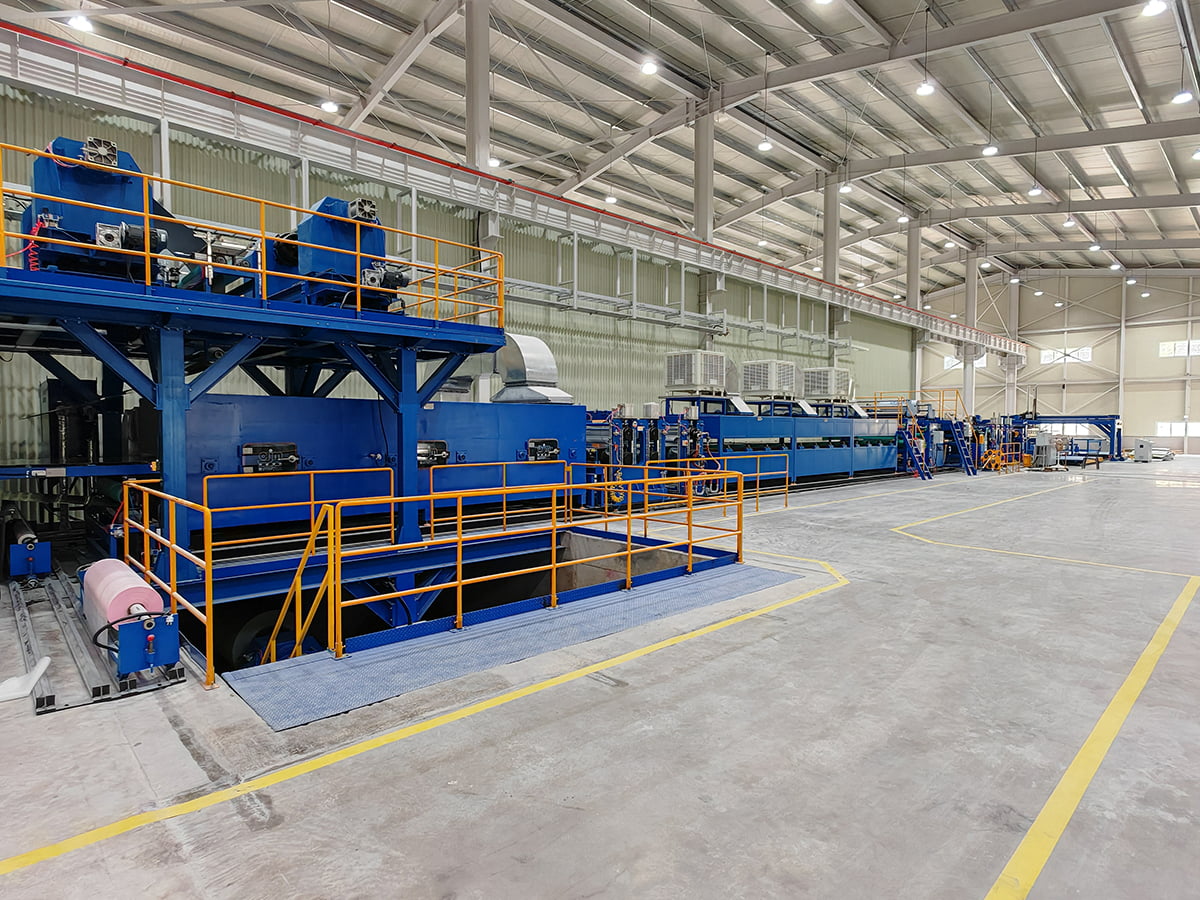
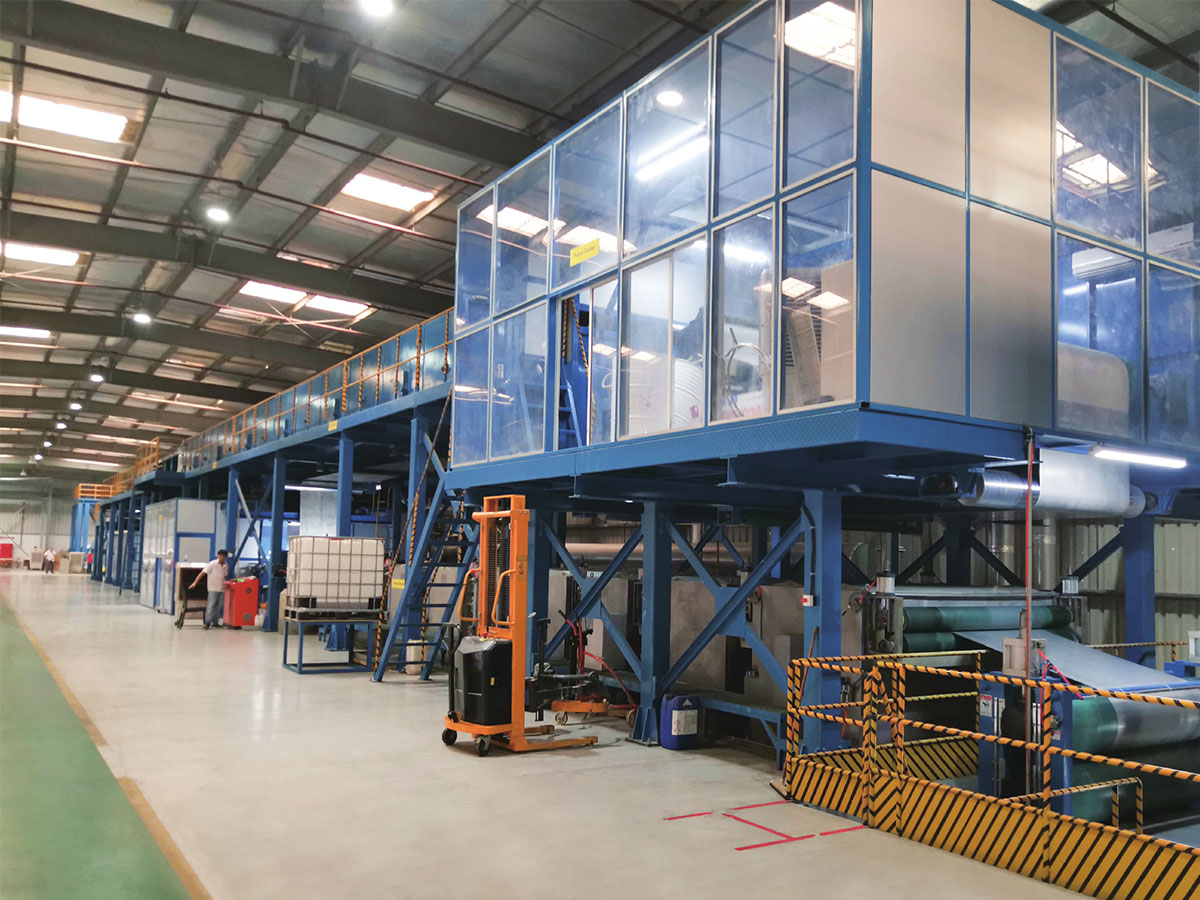
A color coating line is a fully integrated, automated production system that applies decorative and protective paint or coating to metal coil stock or fabricated workpieces through a continuous, multi-stage process encompassing surface pre-treatment, coating application, and thermal curing. Rather than a simple spray operation, it is a comprehensive manufacturing line that transforms bare or galvanized steel, aluminum, or other metal substrates into finished, surface-coated products ready for direct use in construction, appliances, automotive, and industrial applications. The line controls coating thickness, color consistency, adhesion, and durability to precise specifications — producing output that would be impossible to replicate through manual or batch coating operations at equivalent speed and quality.
How a Color Coating Line Is Structured: The Three Core Stages
Every color coating line — whether processing continuous coil stock or individual fabricated parts — is organized around three sequential functional stages that must each perform to specification for the finished coating to meet quality requirements.
Stage 1: Surface Pre-Treatment
Pre-treatment is the most critical and most frequently underestimated stage of the coating line. No matter how advanced the coating application equipment, coating applied to a poorly prepared surface will fail prematurely through adhesion loss, blistering, or corrosion undercutting. The pre-treatment section of a modern color coating line typically involves a multi-step chemical cleaning sequence:
- Degreasing — the metal surface is cleaned using an alkaline cleaner (pH typically 10–13) that saponifies and emulsifies oils, greases, drawing lubricants, and mill residues from the substrate surface. Spray or immersion application at 40–70°C for 60–180 seconds is typical.
- Water rinsing — cascading fresh water or recirculated rinse water removes residual cleaner and loosened contaminants. A minimum of two rinse stages is standard to prevent cleaner dragout from contaminating the conversion coating bath downstream.
- Surface conversion treatment — phosphating (iron or zinc phosphate) or chromate/non-chrome passivation deposits a micro-crystalline conversion coating on the metal surface. This layer serves two functions: it mechanically anchors the subsequent coating and provides a barrier against corrosion creep from scratch sites. Zinc phosphate conversion coatings increase coating adhesion by 40–60% compared to uncoated steel in salt spray testing.
- Deionized water final rinse — a final rinse with deionized water (conductivity typically <50 µS/cm) removes all ionic contaminants from the surface. Ionic contamination left on the surface before coating causes osmotic blistering when the finished panel is exposed to moisture in service.
- Drying — the pre-treated surface passes through a drying oven to remove all surface moisture before coating application. Residual water under applied coating causes adhesion failure and corrosion.
Stage 2: Coating Application
The coating application phase uses automated spray systems to apply paint, primer, topcoat, or specialty coating to the pre-treated surface with precise, uniform coverage. Modern coating lines deploy one or more of the following application technologies:
- Programmed robotic spray arms — multi-axis robotic arms follow pre-programmed spray paths matched to the geometry of the workpiece, maintaining consistent gun-to-target distance (typically 200–300 mm) and spray angle across complex three-dimensional surfaces. Robotic systems eliminate the speed and angle variations of manual spraying that cause film thickness non-uniformity.
- High-speed rotary atomizers (bell cups) — rotating bell cups at 20,000–60,000 RPM centrifugally atomize paint into a fine, uniform droplet cloud with narrow droplet size distribution. This produces smoother film appearance and higher transfer efficiency than air-assisted spray guns.
- Electrostatic spraying technology — charging paint particles to 60–90 kV creates an electrostatic attraction between the negatively charged paint cloud and the grounded workpiece. This "wrap-around" effect draws paint particles onto recessed surfaces and back edges that would otherwise receive no coverage from line-of-sight spray, improving transfer efficiency to 85–95% compared to 30–40% for conventional air spray. Reduced overspray also lowers VOC emissions and coating material cost per unit.
- Roll coating (for coil lines) — continuous coil color coating lines use roller applicators that transfer a precisely metered film of coating from a pickup roll through a transfer roll to the coil surface. Roll coating achieves very tight wet film thickness tolerances of ±1–2 µm, producing highly consistent dry film thickness across the full coil width at line speeds of 60–180 m/min.
Stage 3: Curing
Curing converts the applied wet coating into a fully crosslinked, hard, durable paint film. The curing stage takes place in a temperature-controlled drying tunnel using hot air convection, infrared (IR) radiation, or a combination of both:
- Hot air convection ovens — circulating heated air at 150–250°C evaporates solvent from the coating and raises the substrate to the target peak metal temperature (PMT) required to initiate and complete the crosslinking reaction. Convection ovens provide even heating for complex shapes but have relatively long heat-up ramp times.
- Infrared (IR) heating — IR emitters transfer heat energy directly to the coating and substrate by radiation, achieving rapid temperature rise in 10–30 seconds compared to several minutes for convection heating. Near-infrared (NIR) systems are particularly effective for thin coatings and can reduce oven footprint by 50–70% compared to convection-only systems.
- UV curing — for UV-curable coatings, high-intensity ultraviolet lamps initiate photoinitiator-driven crosslinking at room temperature in 1–5 seconds, eliminating the thermal energy demand of oven curing entirely. UV curing is used where heat-sensitive substrates are involved or where extremely fast line speeds are required.
Types of Color Coating Lines by Substrate and Format
| Line Type | Substrate Format | Typical Line Speed | Primary Industries |
|---|---|---|---|
| Continuous coil coating line | Steel or aluminum coil stock | 60–180 m/min | Construction, appliances, roofing, automotive |
| Fabricated parts coating line | Individual stamped or welded components | 20–60 parts/min | Automotive body, white goods, industrial equipment |
| Extrusion coating line | Aluminum extrusion profiles | 3–15 m/min (profile length) | Window frames, curtain wall, architectural profiles |
| Powder coating line | Metal parts on overhead conveyor | 2–8 m/min (conveyor) | Furniture, shelving, outdoor equipment, HVAC |
| Electrocoat (E-coat) line | Fabricated assemblies with complex geometry | Variable (bath immersion time) | Automotive chassis, agricultural equipment, appliances |
Coating Types Applied on Color Coating Lines
The coating chemistry applied on a color coating line is selected based on the substrate, end-use environment, and required performance properties. Different coating types offer different balances of formability, corrosion resistance, UV durability, and chemical resistance.
- Polyester (PE) — the most widely used coating type on coil coating lines. Standard polyester offers good formability, color retention, and cost-effectiveness for interior and sheltered exterior applications. Typical dry film thickness: 20–25 µm. UV durability: moderate (5–10 year exterior warranty in standard formulations).
- Silicon modified polyester (SMP) — the addition of silicone to the polyester backbone significantly improves heat resistance (up to 120°C continuous) and UV durability compared to standard polyester, making it widely used for roofing and wall cladding in high-temperature or high-UV environments.
- Polyvinylidene fluoride (PVDF) — the premium coating chemistry for architectural applications requiring maximum UV and weathering resistance. PVDF coatings retain over 90% of original gloss and color after 20+ years of outdoor exposure, making them the standard specification for high-rise building facades, roofing on landmark structures, and architectural metal cladding projects.
- Polyurethane (PU) — offers excellent scratch resistance, flexibility, and chemical resistance. Used for applications subject to mechanical handling damage, aggressive cleaning agents, or chemical exposure such as laboratory equipment, industrial storage systems, and food processing facility panels.
- Epoxy primer — applied as a basecoat before topcoat application, epoxy primers provide exceptional adhesion to metal substrates and cathodic corrosion protection. A 5–8 µm epoxy primer under a polyester topcoat doubles the corrosion resistance of the coating system compared to topcoat-only application.
Cooling and Post-Processing After Curing
Immediately after exiting the curing oven, the coated substrate is at elevated temperature — typically 60–120°C at the oven exit — and must be cooled before further handling, rolling, or stacking to prevent coating blocking (adjacent coated surfaces sticking together) and thermally induced deformation.
- Forced air cooling — high-velocity air jets or a cooling tunnel with circulation fans reduce the substrate temperature to below 40°C before the coil is rewound or parts are collected. Cooling must be uniform across the full width to prevent differential thermal shrinkage that would cause coil camber or flatness defects.
- Quality inspection — the cooled, coated output passes through automated or manual quality checks including color measurement (spectrophotometer comparison against the master standard), gloss measurement, dry film thickness verification, and visual inspection for surface defects such as cratering, sagging, or contamination.
- Finishing operations — depending on the application, post-curing finishing may include protective film lamination (to protect the coating during transport and forming), embossing, slitting to width, or cut-to-length operations before the coated product is packaged for shipment.
Industries and Applications That Rely on Color Coating Lines
Color coating lines supply surface-finished metal to a broad range of industries where both the protective and decorative functions of the coating are commercially important.
- Construction and architecture — pre-painted steel and aluminum coil for roofing panels, wall cladding, ceiling tiles, window frames, and structural decking. Pre-coated material eliminates on-site painting, reduces construction time, and provides consistent color and corrosion performance across an entire building facade.
- Home appliances — refrigerator doors and panels, washing machine drums, microwave oven cavities, and air conditioner housings all use pre-coated steel or aluminum from continuous coil coating lines for consistent color, hygiene surface performance, and fingerprint resistance.
- Automotive — body panels, wheels, interior trim components, and underbody parts use color coating lines combining electrocoat primer for full-coverage corrosion protection with topcoat layers for appearance and UV resistance.
- Food, beverage, and pharmaceutical packaging — the interior surfaces of metal cans, drums, and containers for food, beverages, and pharmaceutical products are coated on dedicated lines with food-grade epoxy or polyester coatings that prevent metal migration into the product and resist corrosion from organic acids and sanitizing chemicals.
- Industrial equipment and furniture — powder coating lines process metal frames, shelving, cabinets, and machinery housings, applying thick-film coatings (typically 60–120 µm) that provide exceptional chip and abrasion resistance for high-traffic or outdoor industrial environments.
Key Performance Metrics of a Color Coating Line
| Performance Metric | Typical Target Value | Why It Matters |
|---|---|---|
| Dry film thickness (DFT) | ±2–3 µm of target | Determines corrosion barrier performance and formability |
| Color consistency (ΔE) | ΔE ≤ 0.5 vs. master standard | Ensures visual match across production batches and panels |
| Salt spray corrosion resistance | ≥ 500–1,000 hours (ISO 9227) | Predicts outdoor service life in corrosive environments |
| Paint transfer efficiency | 85–95% (electrostatic spray) | Reduces material cost and VOC emissions per unit |
| Gloss level | ±3–5 GU at 60° from target | Critical for appearance-sensitive applications (facades, appliances) |
| Adhesion (cross-cut test) | Class 0 (ISO 2409) | Confirms pre-treatment effectiveness and coating compatibility |