

 English
 русский
 Español
 عربى
عربى
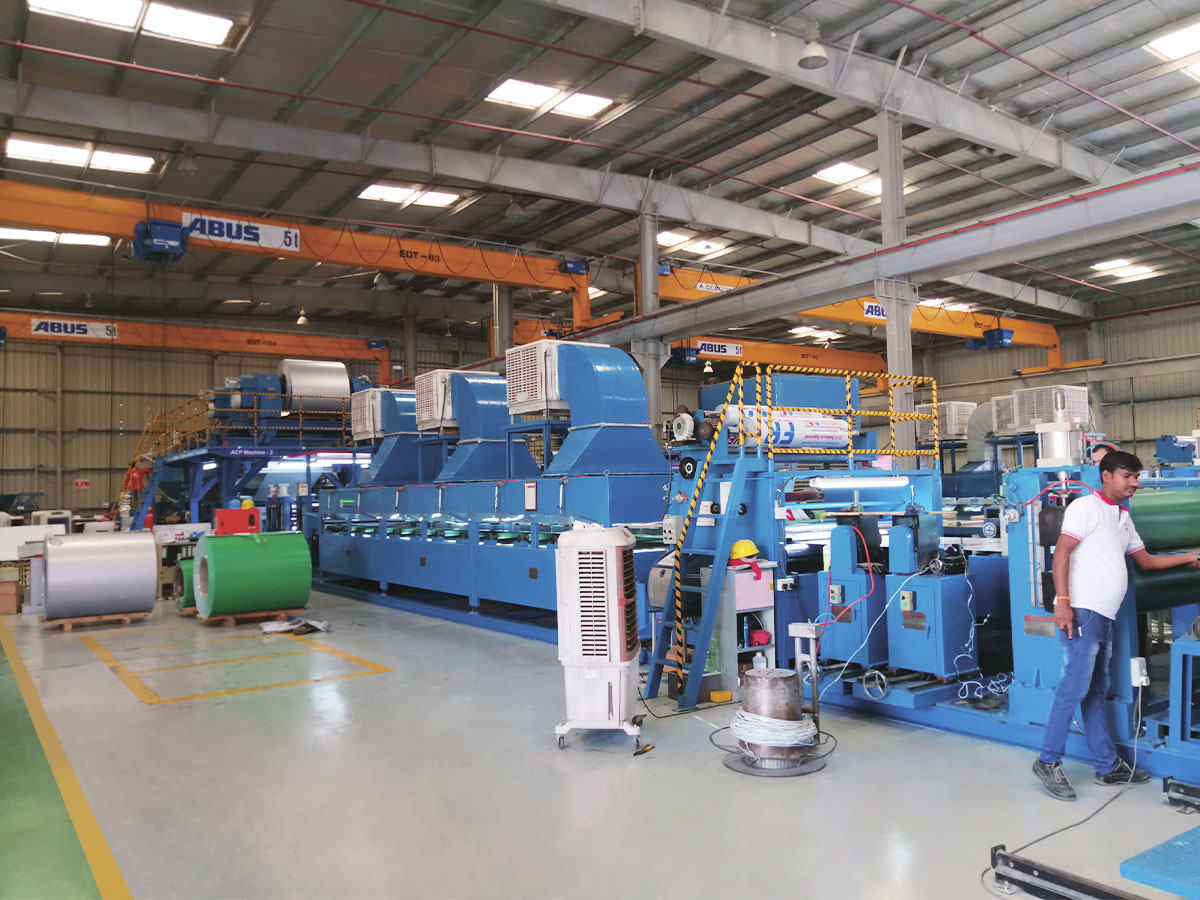

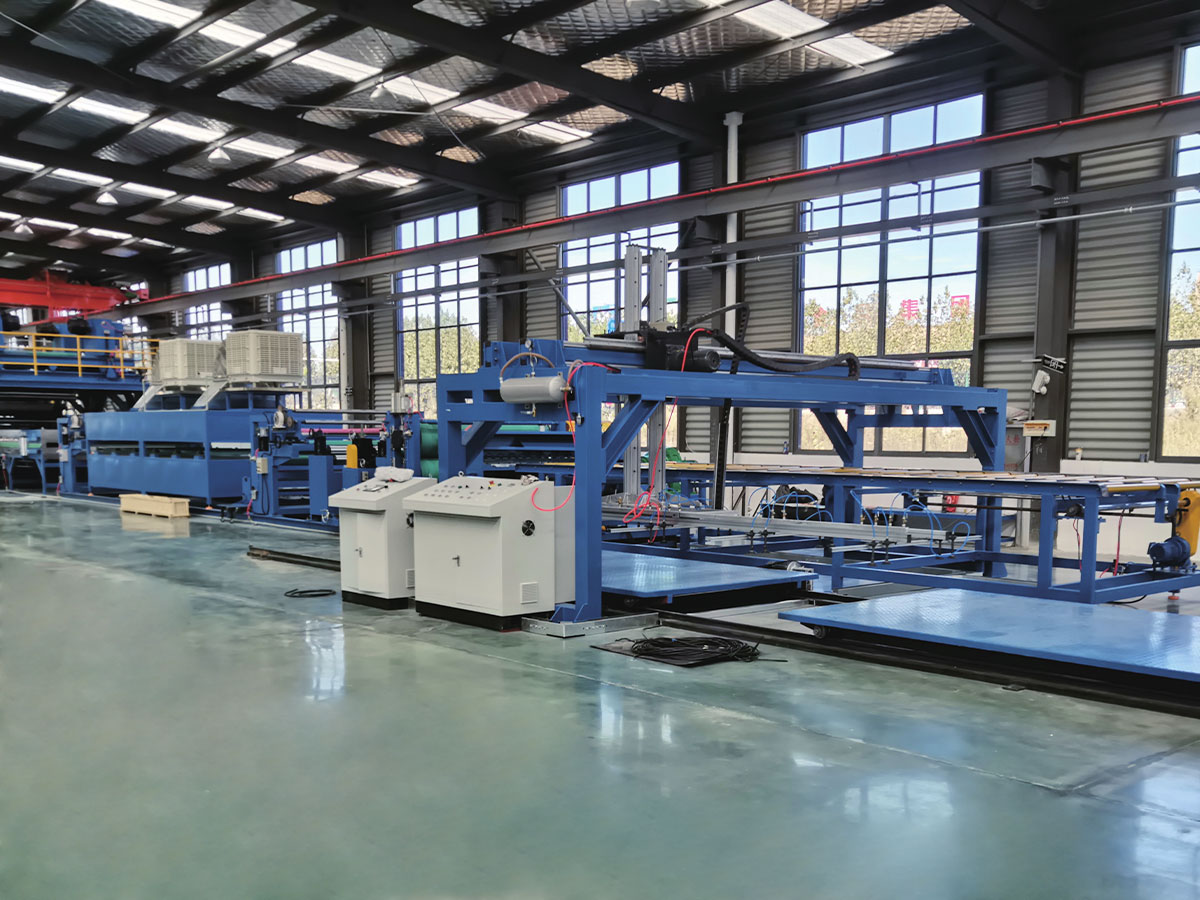
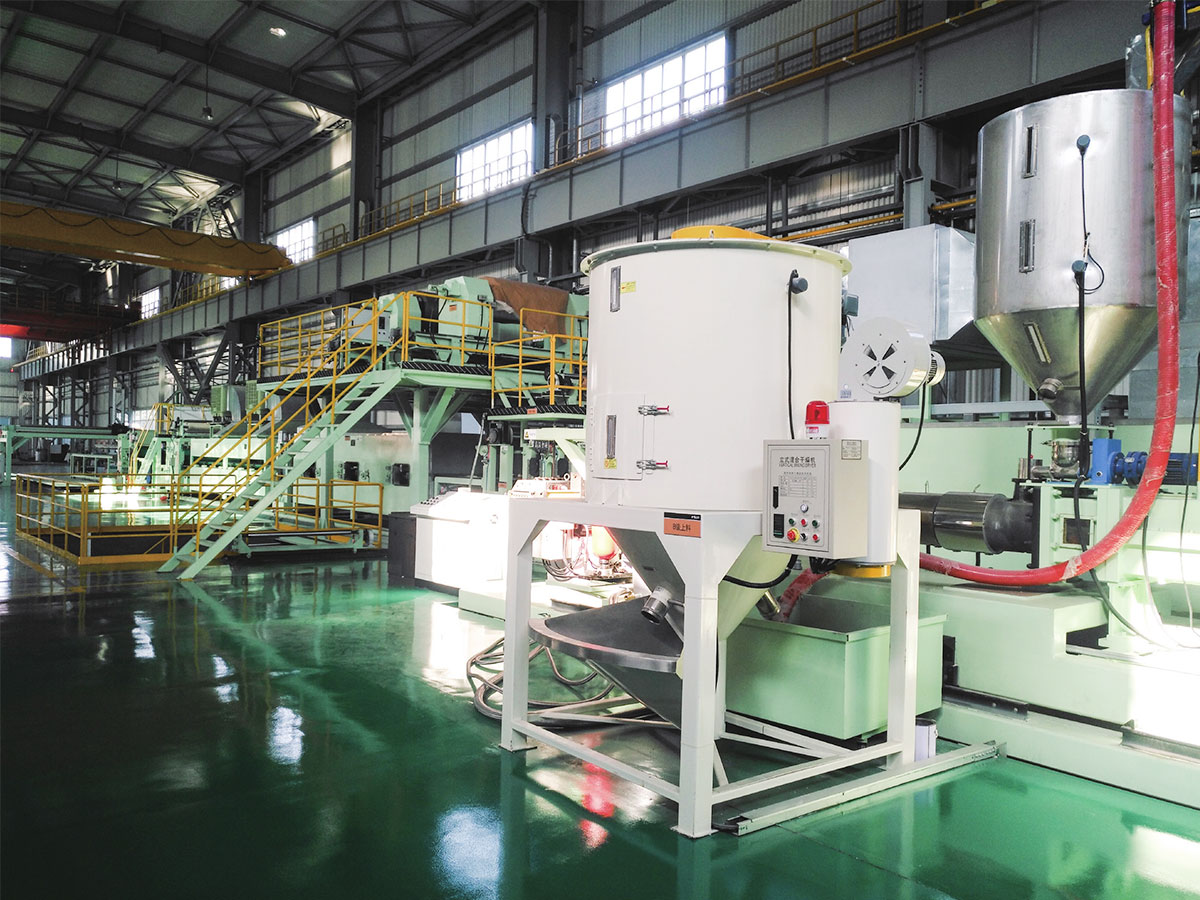
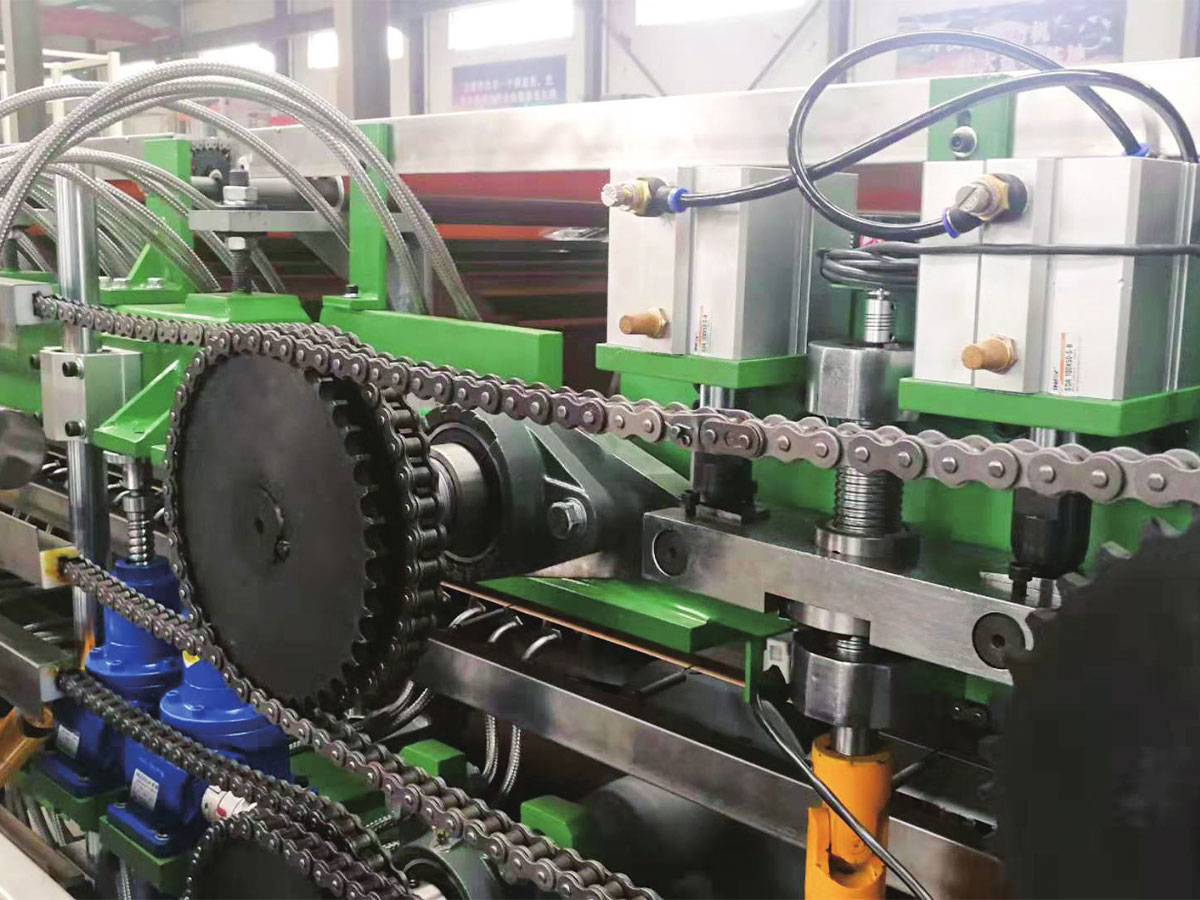
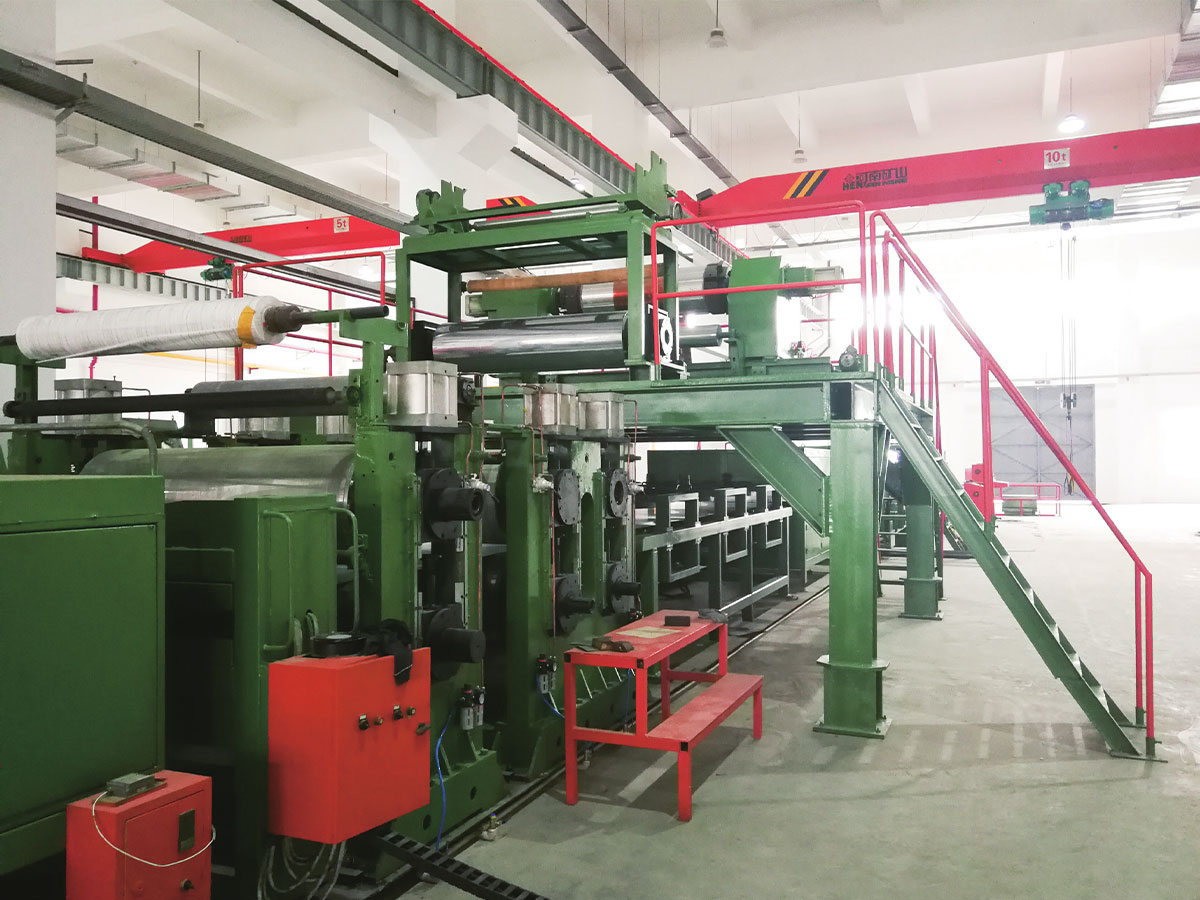
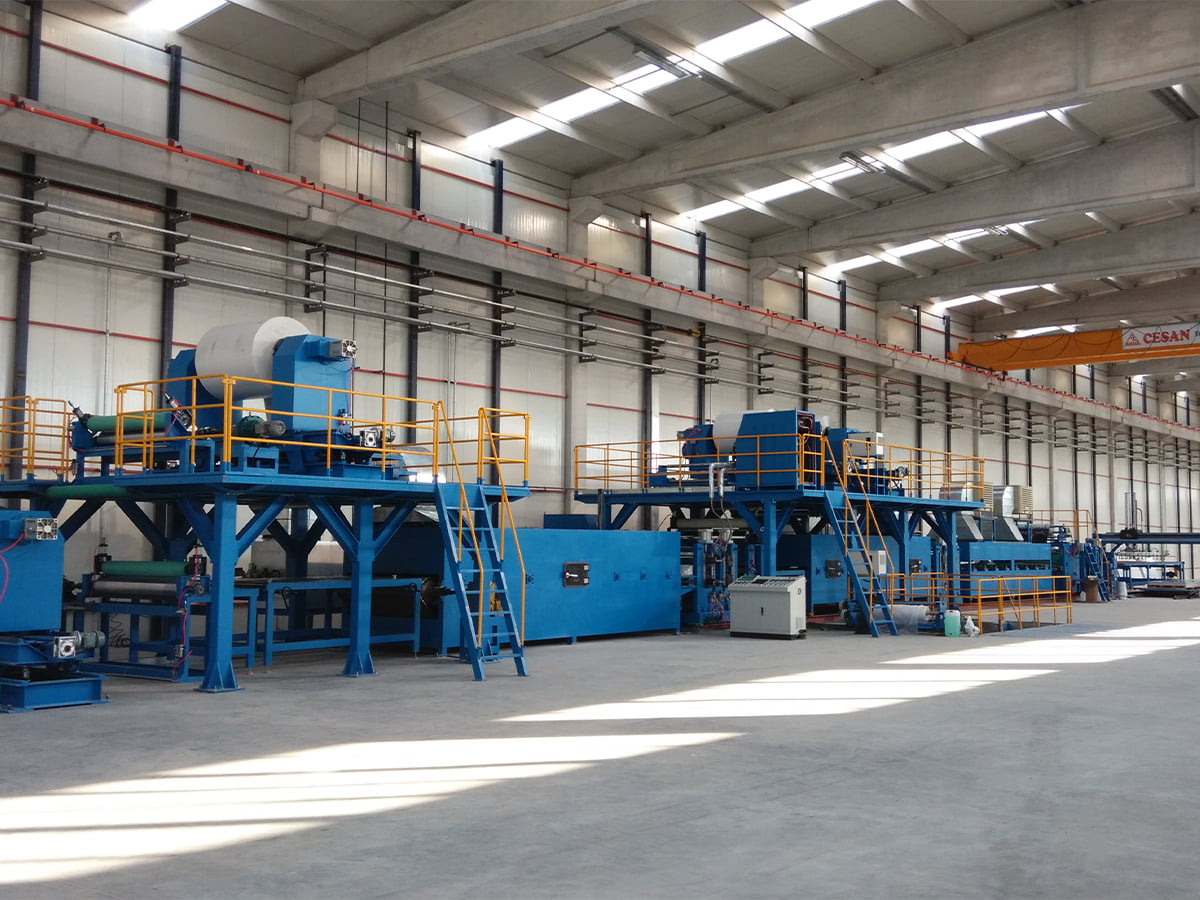
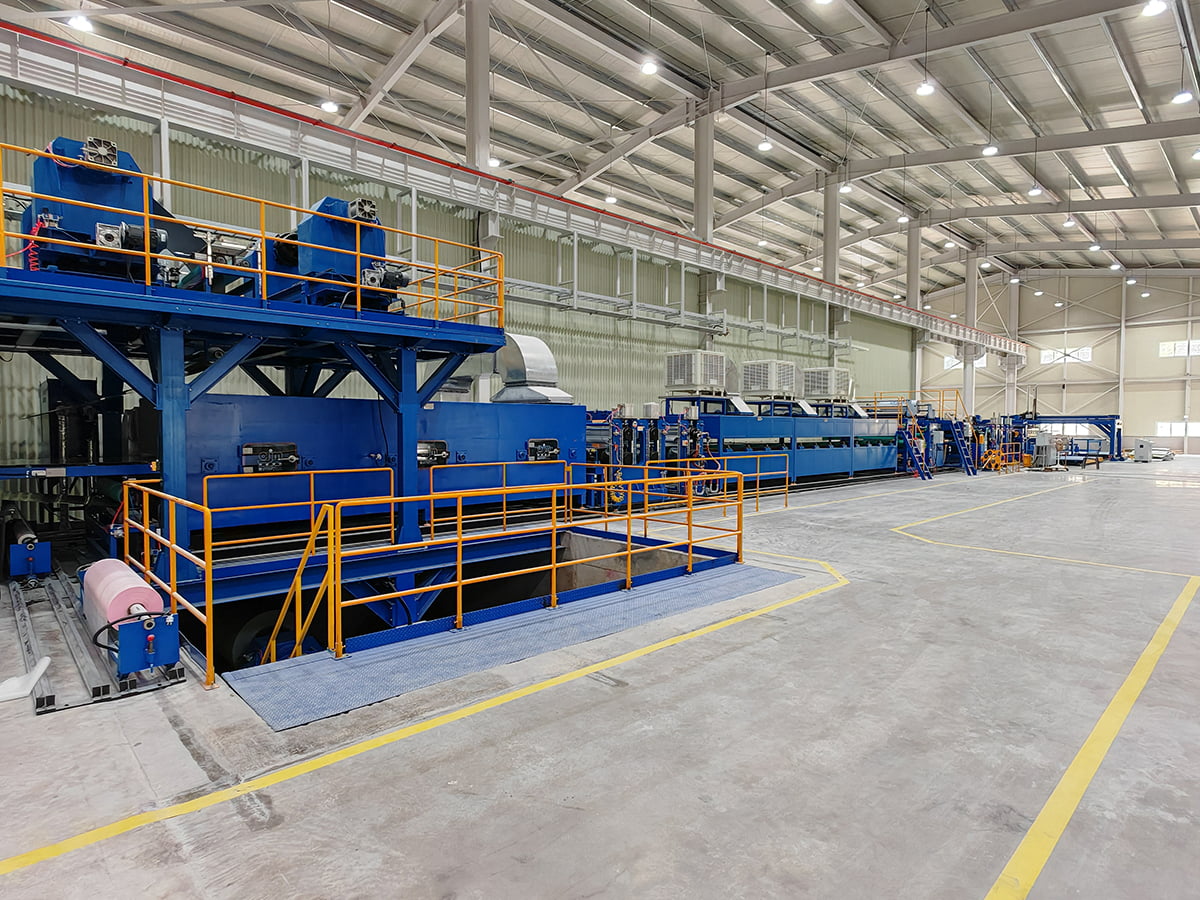
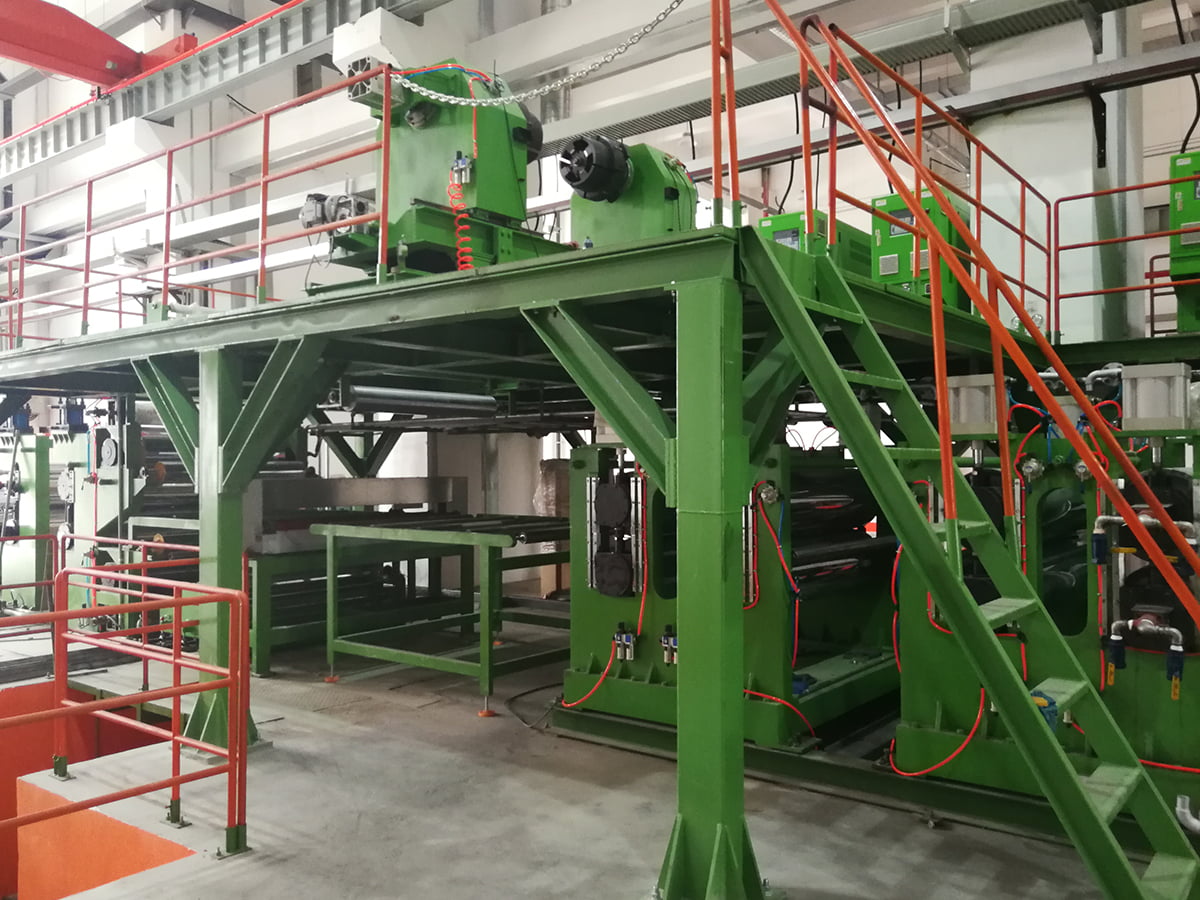
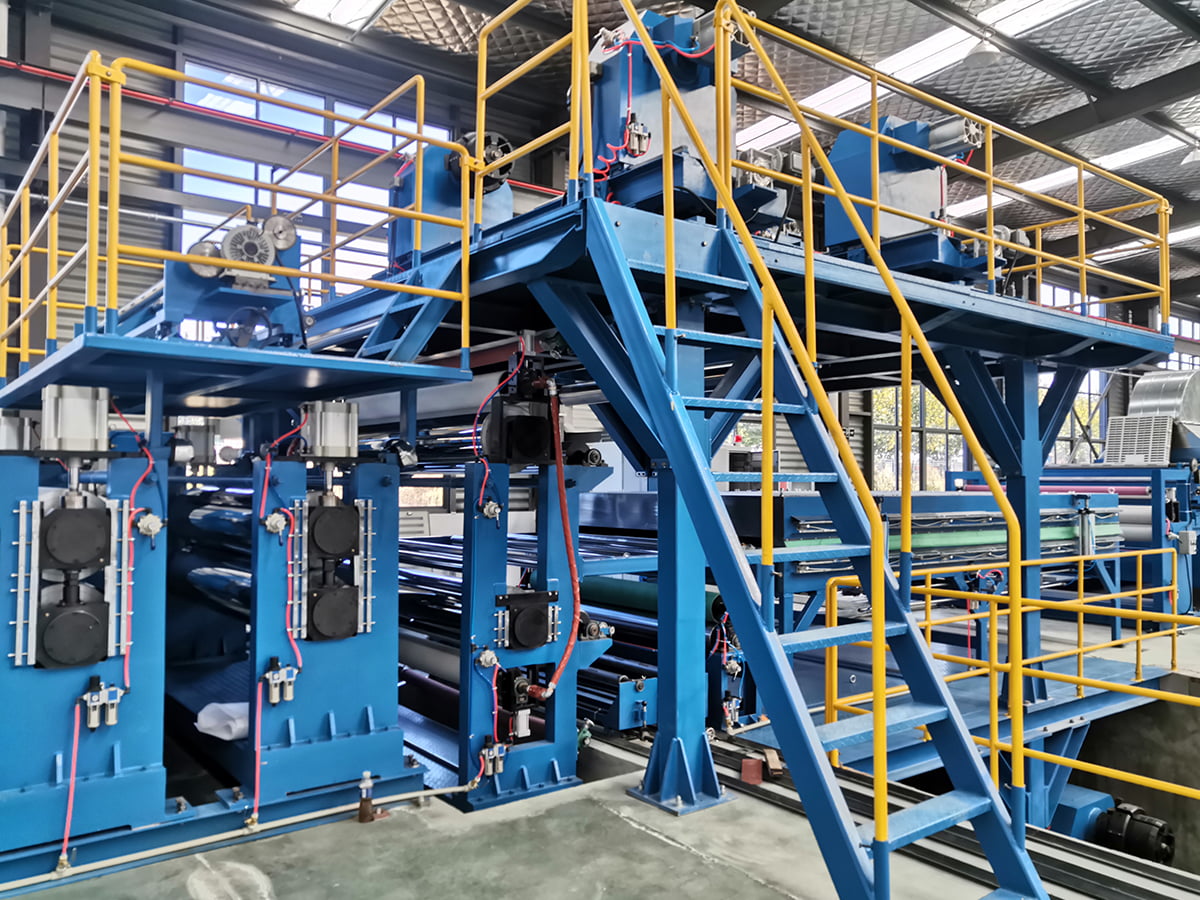
The Metal Composite Panel Production Line is a high-precision automated equipment system specifically designed for producing metal composite panels. It can combine two or more different materials through precise processes to form a single, high-performance metal sheet. This production line integrates mechanical engineering, automation control, materials science, and heat treatment processes, achieving full-process automation from raw materials to final products. Its key advantages lie in its precise process control, ensuring high quality and consistency of metal composite panels, while large-scale continuous production significantly improves efficiency and meets the market's demand for mass production of composite panels.
Metal composite panels are often used to combine precious metals like aluminum and stainless steel with common base materials such as steel. This combination ensures product performance advantages such as corrosion resistance, high temperature resistance, and high strength, while also effectively reducing material costs. Therefore, such production lines not only have a high level of technological content but also improve the market competitiveness of products while reducing production costs.
Workflow and Technological Advantages of the Metal Composite Panel Production Line
The process flow of the Metal Composite Panel Production Line includes several stages such as unwinding, cleaning, composite, curing, and finishing. Each stage is equipped with precise control systems to ensure that every production step is executed according to set standards, guaranteeing the final product's quality.
Unwinding and Cleaning:
Unwinding: The production line first uses an automated unwinding system to precisely position the base material and precious metal strips in preparation for the subsequent composite process.
Cleaning: The base material surface is cleaned by a precision cleaning system to remove impurities and oxide layers, ensuring the composite metal surface is smooth and has high bonding strength.
Composite Process:
The composite process is the core part of the Metal Composite Panel production. This stage typically uses hot pressing technology, where different materials are bonded together under high temperature and pressure. By precisely controlling temperature, pressure, and time, the two metal materials are tightly bonded, achieving the ideal composite effect.
Curing and Finishing:
Curing: The curing stage typically involves heat treatment or cooling processes, allowing the composite panel to maintain strength and durability while also ensuring good stability.
Finishing: The finishing stage uses automated equipment for cutting, edging, and punching to ensure that the composite panel meets the specific needs of the customer.
Advantages of the Metal Composite Panel Production Line
| Advantage | Description |
| Improved Production Efficiency | The automated system enables large-scale continuous production, significantly improving efficiency and meeting the demand for mass production. |
| Reduced Material Costs | By combining precious metals with common base materials, it ensures product performance while effectively reducing material costs. |
| Precise Process Control | The production stages (such as temperature, pressure, time, etc.) are precisely controlled to ensure product consistency and quality. |
| High-Quality Product Output | The high-precision production process ensures the metal composite panels' strength, corrosion resistance, fatigue resistance, and other properties. |
| Adaptability to Various Materials | The line can achieve composite of various materials (such as aluminum, copper, stainless steel, etc.) to meet the needs of different industries. |
Applications of Metal Composite Panels
Due to their excellent performance, metal composite panels are widely used across various industries. Below are their primary applications:
Construction Industry:
Metal composite panels are commonly used for building facades, interior walls, and roofing. Especially aluminum composite panels (ACP) offer a modern appearance and outstanding properties such as corrosion resistance, wind pressure resistance, and sound insulation.
Automotive Industry:
Lightweight materials are a key requirement in modern automotive manufacturing. The low weight and high strength of metal composite panels make them ideal for automotive body panels and interior components.
Aerospace and Aviation:
In the aerospace industry, metal composite panels are widely used for aircraft fuselages and other parts due to their high temperature resistance, corrosion resistance, and strength.
Shipbuilding and Offshore Platforms:
Metal composite panels are especially suited for ship hulls and offshore platforms, as they effectively resist seawater corrosion and have excellent mechanical properties.
Frequently Asked Questions (FAQ)
What is the cost-benefit ratio of the Metal Composite Panel Production Line?
The initial investment in a Metal Composite Panel Production Line is generally high. However, due to its high automation, high production efficiency, and the ability to produce high-value-added products, its cost-benefit ratio is very favorable in large-scale production.
How is the stability of the metal composite panel's quality ensured?
By precisely controlling process parameters such as temperature, pressure, speed, etc., every production process is ensured to meet the standards. Additionally, the production line is equipped with high-precision online inspection systems that can monitor quality in real time and make timely adjustments if any issues are detected.
What are the material requirements for producing metal composite panels?
The base material and precious metals for metal composite panels must have good weldability, corrosion resistance, and processability. Common base materials include aluminum, steel, and stainless steel, while precious metals include aluminum alloys and copper.
What economic benefits can the use of metal composite panels bring?
By adopting metal composite panels, businesses can improve material usage efficiency, reduce costs, and enhance market competitiveness. For example, using composite panels in construction can reduce construction costs, extend the building’s service life, and improve the aesthetic appearance of the structure.
The Metal Composite Panel Production Line, with its automation, precise control, and efficient processes, has become a core piece of equipment in modern manufacturing. As technology continues to advance, future metal composite panel production lines will evolve toward more intelligent and environmentally friendly designs. For various industries, adopting a metal composite panel production line not only improves production efficiency and reduces costs but also meets the market's demand for high-performance, low-cost materials. It is an important trend in the development of future manufacturing industries.