
 English
 русский
 Español
 عربى
عربى
Content
- 1 What Coating Equipment Covers
- 2 Matching the Coating Method to the Product
- 3 Substrate Preparation and Curing Set the Ceiling
- 4 The Specification Numbers That Decide Payback
- 5 Where Coating Fits in a Composite Panel Plant
- 6 Procurement Checks Before You Commit
- 7 Common Failure Points and How to Avoid Them
- 8 Choosing a Builder Who Understands the Whole Line
When a metal coil coating line is quoted, the number most buyers compare first is line speed. It is also the number that decides the least about whether the investment pays back. A line rated at 60 meters per minute that holds coating thickness within plus or minus 2 microns across the full strip width will out earn a faster line that drifts 8 microns at the edges, because it sells more usable coil and scraps less.
Profitability sits further down the specification, in substrate preparation, coating method, peak metal temperature, tension control and changeover time. This article explains how coating equipment for flat metal and composite substrates is put together, how to match a method to a product, and which checks separate a reliable line from an expensive lesson.
What Coating Equipment Covers
In industrial metal processing, coating equipment means the machines that apply, cure or laminate a functional or decorative layer onto a moving substrate. For coil and panel producers, that family normally includes:
- Roller coating and printing units, which apply primer, topcoat, back coat or printed patterns to aluminum and steel coil.
- Spray coating stations, used where a heavier or more uniform build is needed than a single roller pass can deliver.
- PUR and film lamination units, which bond protective or decorative film to coil with polyurethane adhesive.
- Pretreatment and cleaning lines, which degrease, rinse and passivate the substrate before coating.
- Associated finishing equipment such as embossing machines, coil re-rolling lines and three roller levelling machines.
The same phrase is also used for pharmaceutical tablet coating pans and fluid bed coaters. That is a separate equipment family with different materials, cleanroom requirements and validation rules, and nothing here applies to it.
Matching the Coating Method to the Product
Most specification arguments come down to one question: roller coating, spray coating, or lamination. The answer depends on the dry film thickness you must hold, the appearance standard your customer audits, and how much of the coil will be bent, folded or punched afterwards.
| Method | Typical dry film | Best suited to | Main constraint |
|---|---|---|---|
| Direct roller coating | 5 to 20 microns | Primers and thin topcoats at high line speed | Film defects follow roller surface defects directly |
| Reverse roller coating | 10 to 25 microns | Smooth topcoats where appearance is critical | Needs tight viscosity and nip pressure control |
| Spray coating | 20 to 60 microns | Heavier builds, two component systems, short runs | Overspray, booth extraction and material loss |
| Combined roller and spray | Variable | Lines that must run both thin and heavy coats | Higher capital cost and longer changeover |
| PUR and film lamination | Adhesive 3 to 12 grams per square meter | Protective film, decorative film, bonding layers | Moisture control and nip pressure determine bubbles |
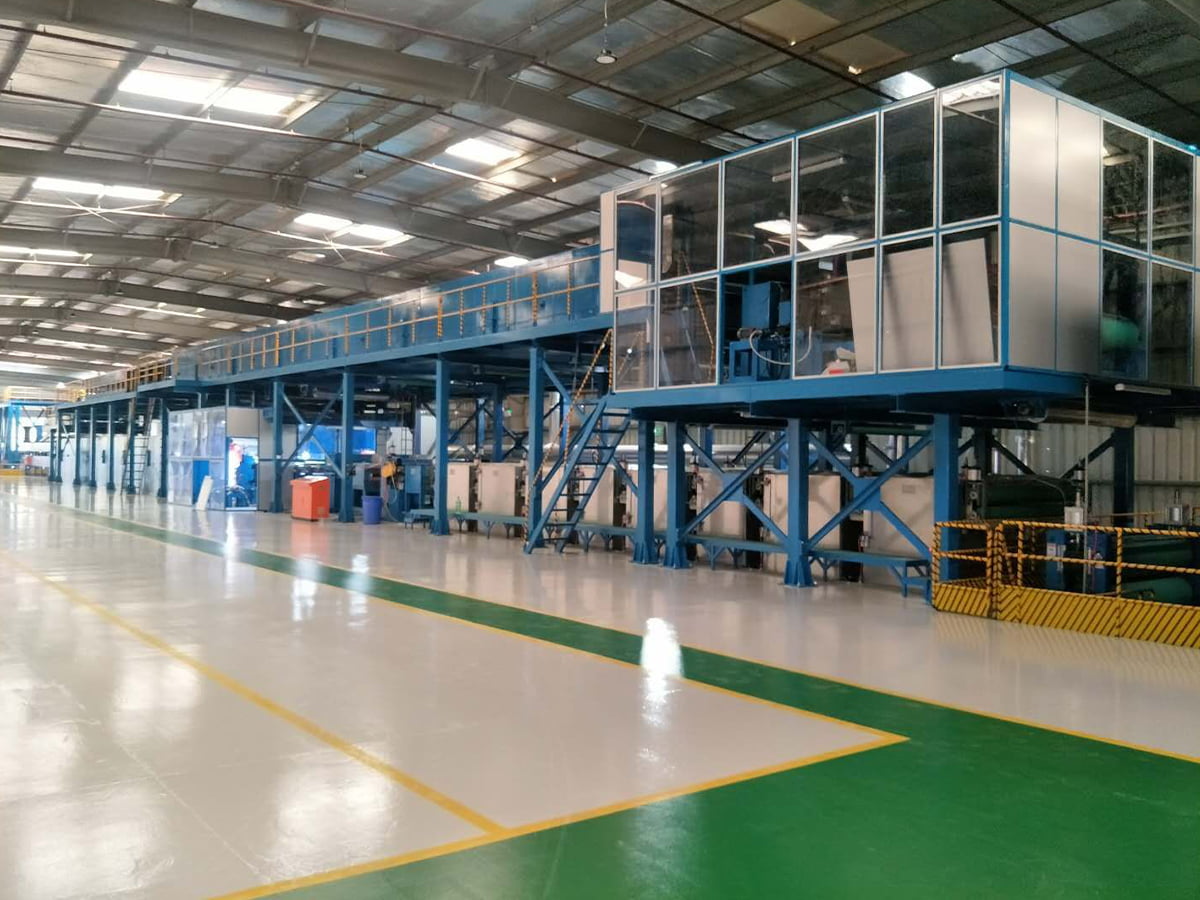
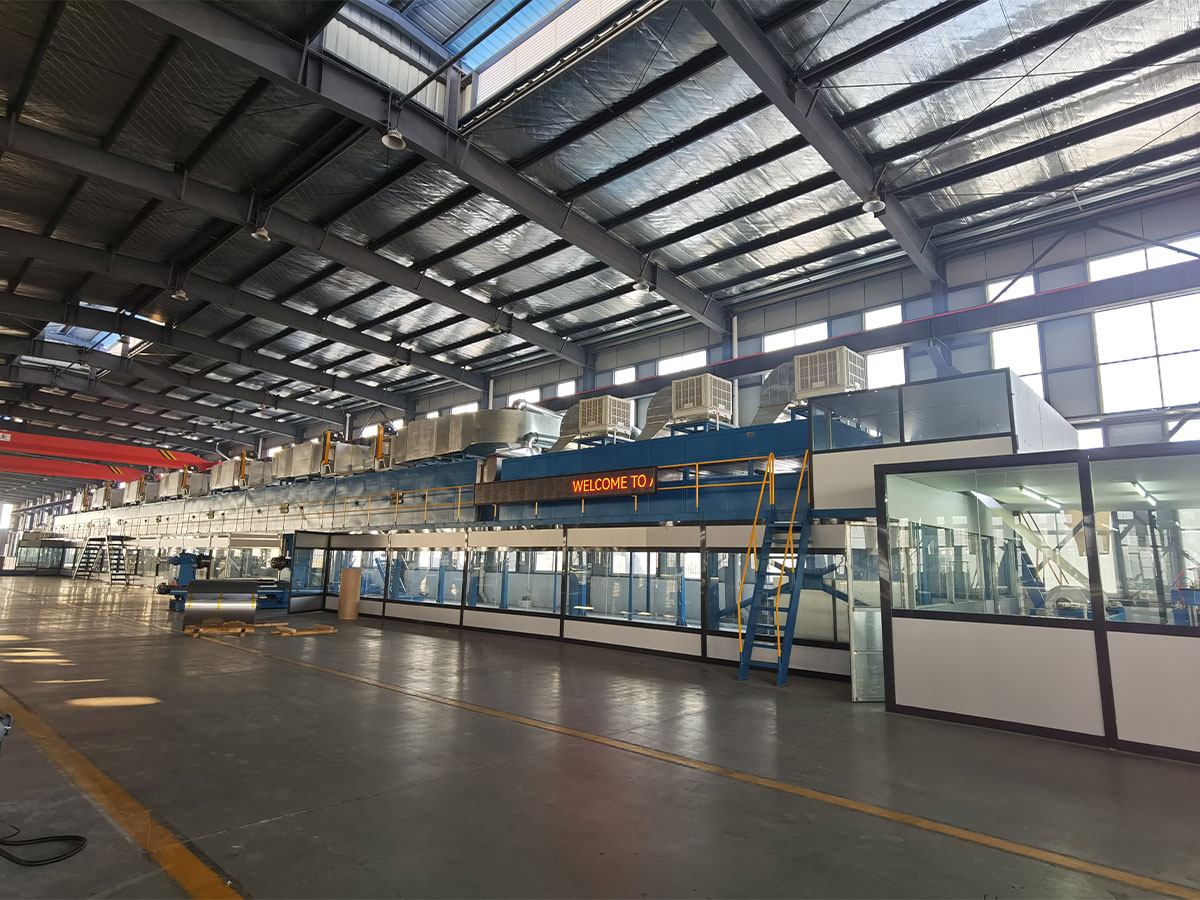
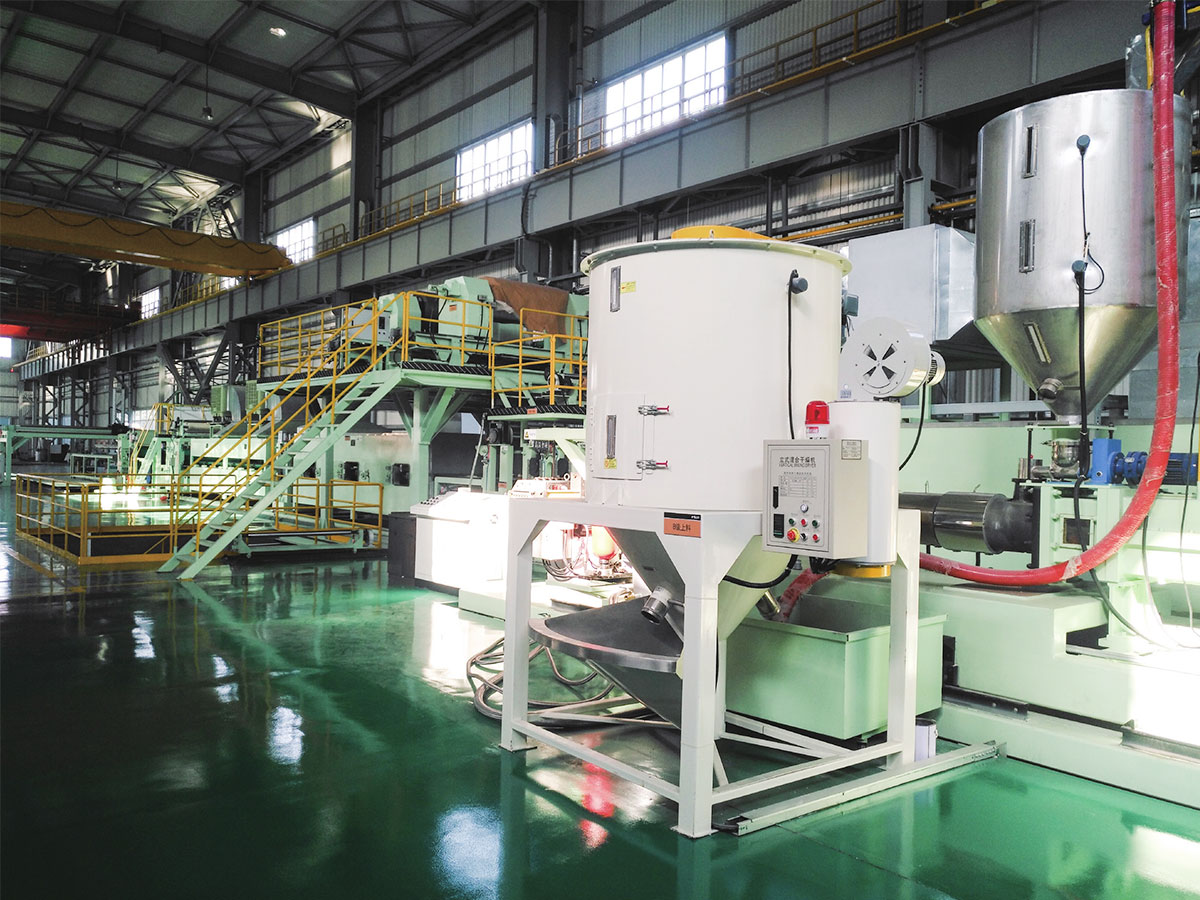
 Color Coating LineThrough automated and intelligent processes, the coating production line provides aesthetically pleasing, durable, and functional surface coatings for a wide range of ...View Product →
A color coating line that pairs roller application with a multi zone curing oven is the standard workhorse for pre-coated aluminum and steel coil. Where one line must cover both thin primer and heavier topcoat work, a combined roller and spray configuration removes the need for two machines, at the cost of slower changeover and more careful fluid handling.
Substrate Preparation and Curing Set the Ceiling
Adhesion failures rarely start at the coating head. They start on the strip surface, where mill oil, oxide or residual rolling emulsion survives the cleaning stage and sits between the metal and the primer. A pretreatment cleaning line should include alkaline degreasing, two stage rinsing, a conversion or passivation step matched to the resin system, and a dryer that leaves the strip fully dry without flash rusting.
Curing is the second ceiling. Oven set points in degrees Celsius matter less than the peak metal temperature the strip reaches and the time it stays above the resin activation threshold. Under cure gives weak adhesion and poor solvent resistance. Over cure makes the film brittle, so it cracks at tight bend radii. Ask for the peak metal temperature window for your substrate thickness, because a 0.3 mm aluminum coil and a 1.2 mm steel coil will not reach the same temperature at the same line speed.
The Specification Numbers That Decide Payback
Before comparing prices, fix the numbers that define the job. These values belong in the enquiry and later in the contract:
- Substrate width and thickness range, including the thinnest gauge the line must run without wrinkling.
- Coating thickness tolerance across the width and along the coil, stated as a measured value rather than a target.
- Line speed at rated thickness, not the maximum speed the drive can reach.
- Peak metal temperature range and dwell time in each oven zone.
- Web tension range and the control method used to hold it.
- Coil weight, inner diameter and changeover time between products.
- Acceptance test method, sampling frequency and who pays for a failed trial.
A quotation that omits tolerance and acceptance method is not comparable with one that states them, however close the totals look on paper.
Where Coating Fits in a Composite Panel Plant
Coating equipment rarely stands alone. In an aluminum composite panel plant, the coating line produces pre-coated coil that later meets an adhesive film and a core in the lamination stage. Both processes must agree on surface energy, primer chemistry and film thickness, because a coating that passes a tape test on its own can still delaminate once it is bonded to a fire rated core and bent into a facade panel.
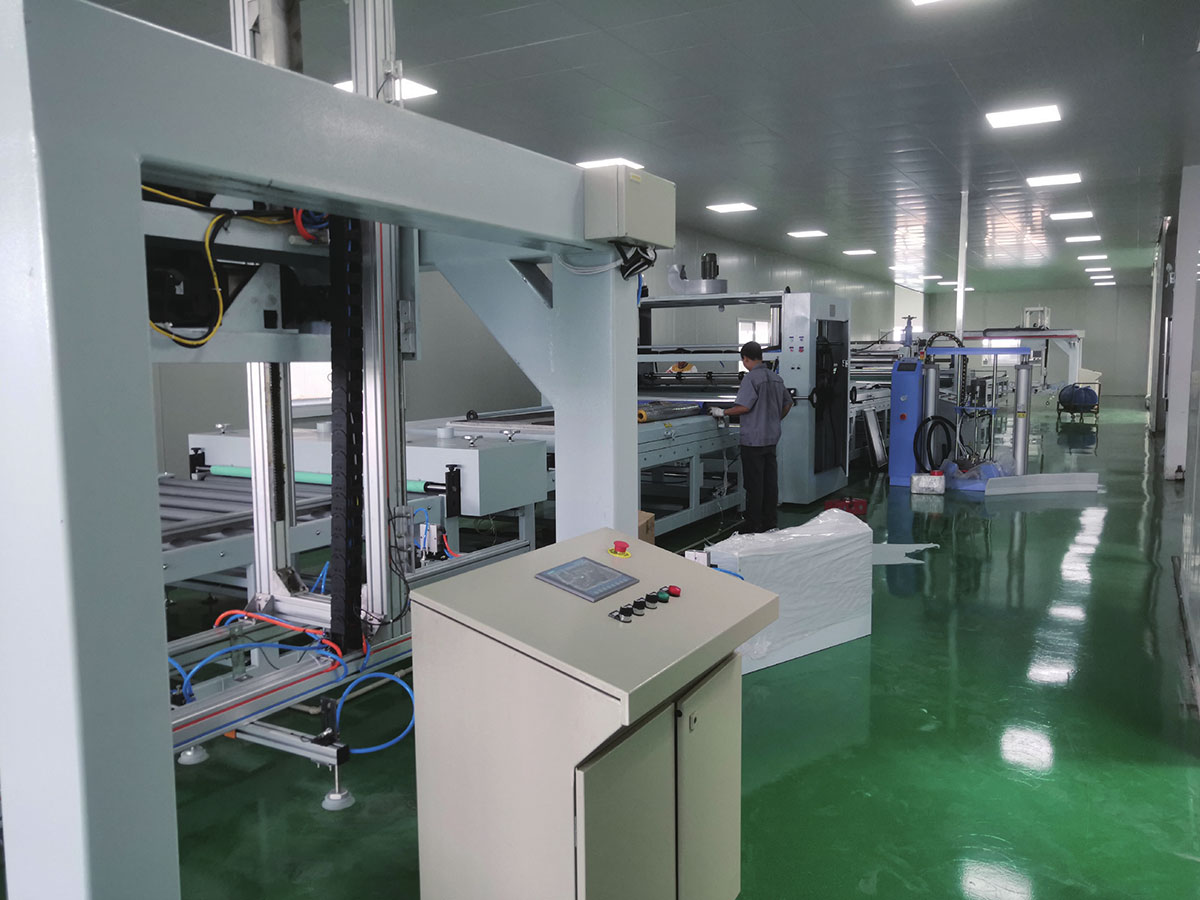
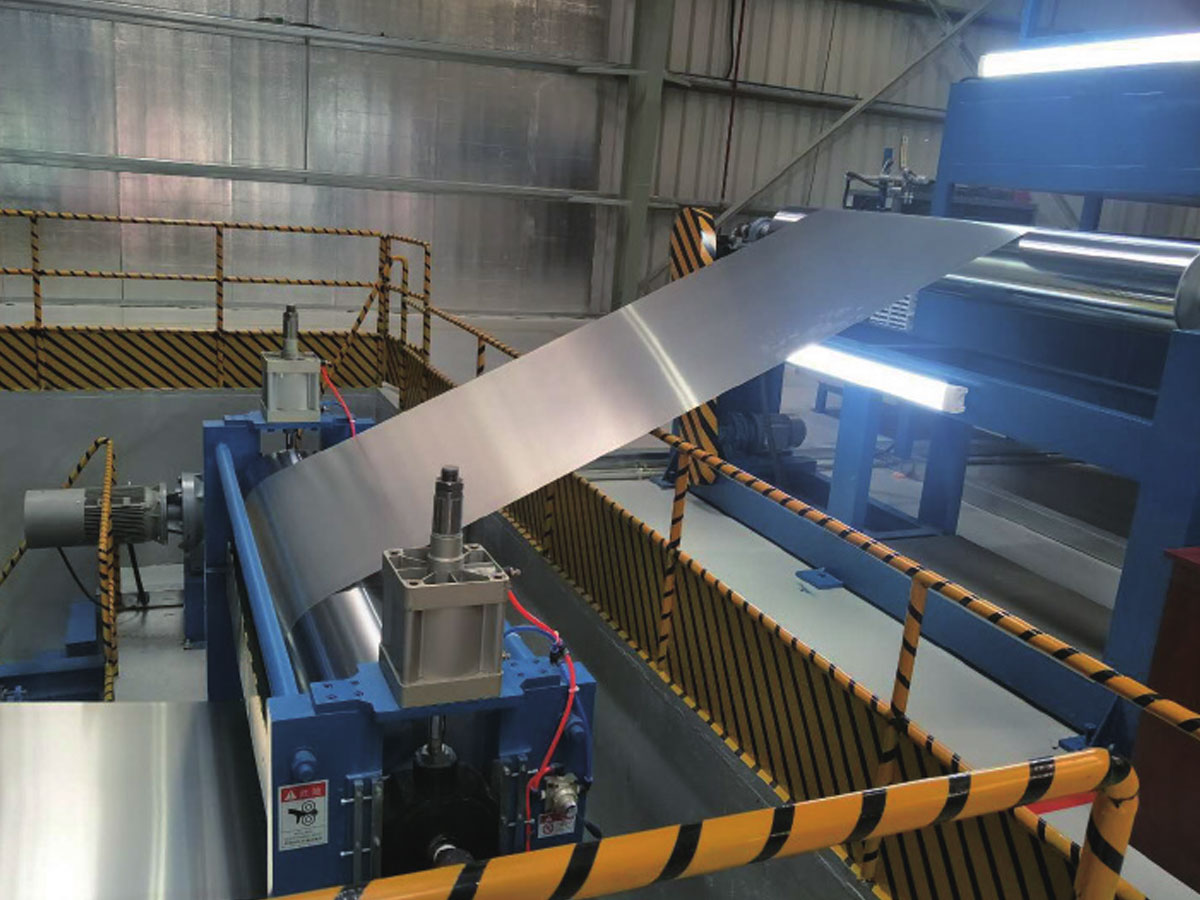
 PUR Coating and Film Laminute LineThe PUR coating and laminating line is primarily used for high-strength lamination of various functional films (such as decorative films, protective films, and functio...View Product →
For A2 and B1 fire rated aluminum composite panel production, the coating stage and the composite stage are usually specified together. Core grade, adhesive film and coating system form a chain, and the weakest link sets the fire performance a test report can support.
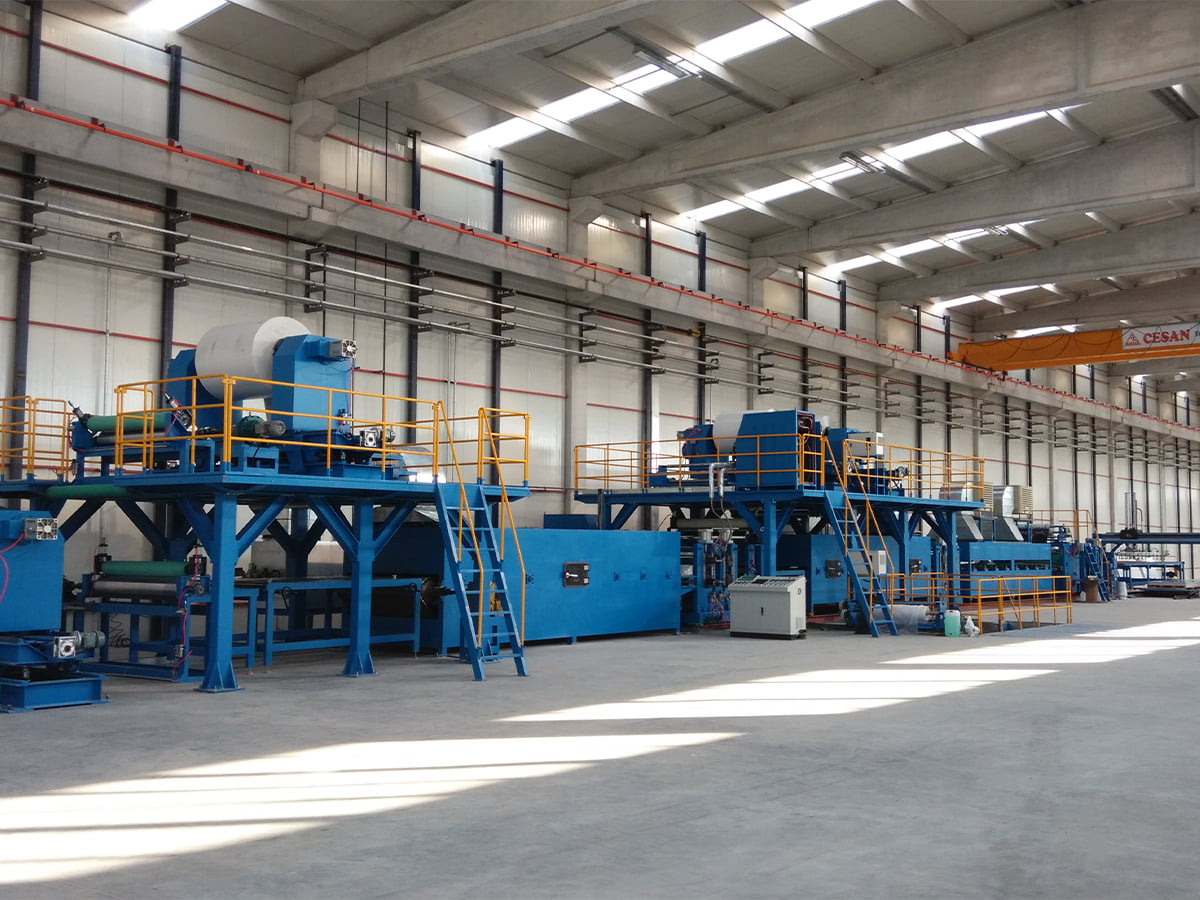
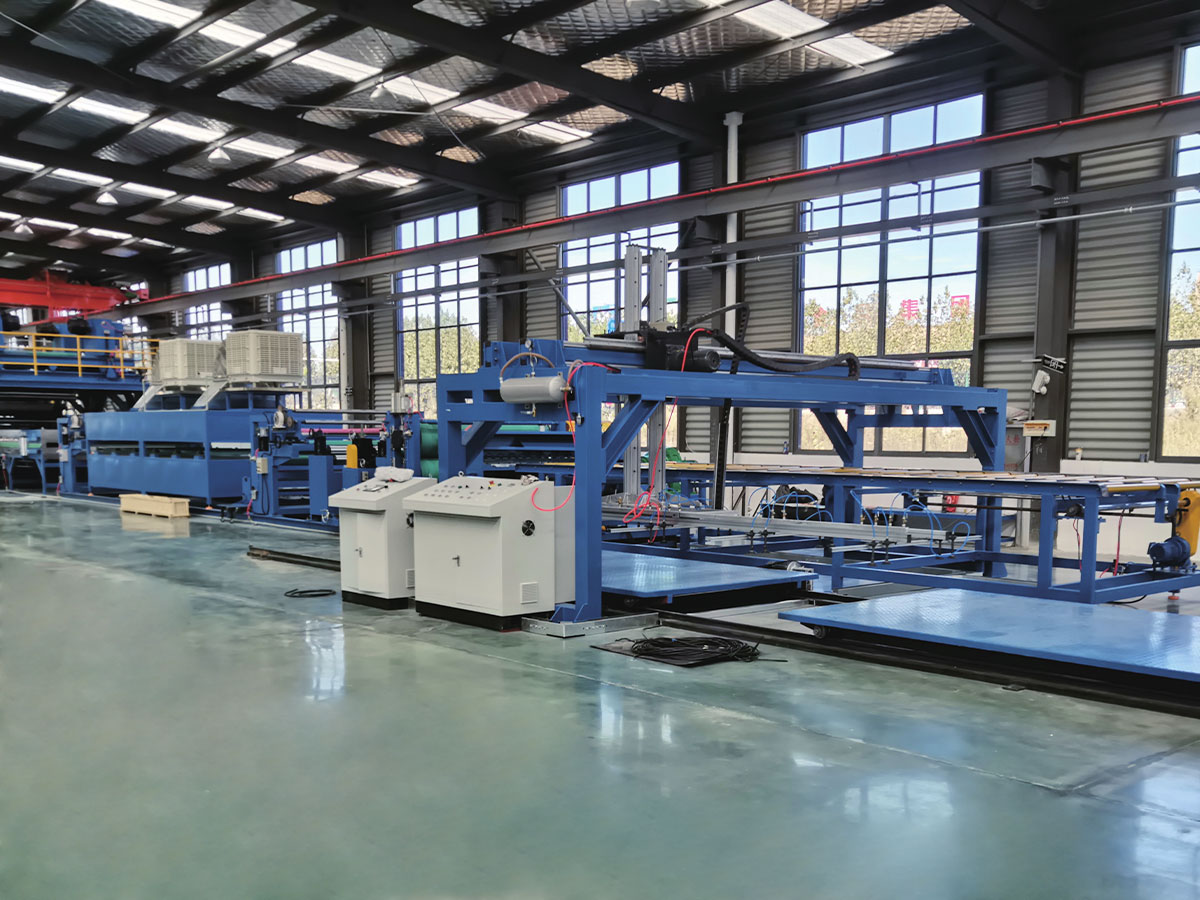
 A2 Metal Composite Panel Production LineIn 2012, we independently developed the A2 Metal Composite Panel Production Line, a second-generation continuous lamination line specifically designed for producing Cl...View Product →
Plants that also run SPC flooring, PVC and PU leather, or continuous fiber reinforced thermoplastic composites face the same logic with different substrates. The coating or lamination unit, the tension section and the downstream embossing equipment need to be engineered as one line rather than assembled from separate offers.
Procurement Checks Before You Commit
These checks cost a few weeks and usually save far more than they cost:
- Run your own substrate, across your own thickness range, on the builder reference line or at a partner plant.
- Ask which parameters are guaranteed and how each one is measured during acceptance.
- Confirm the spare parts list, including roller re-grinding intervals and pump seals.
- Check roller hardness and surface treatment, since a soft roller loses its crown within months on abrasive substrates.
- Confirm floor loading, foundation requirements and the utility connections you must provide.
- Agree on installation, commissioning, operator training and the support arrangement after handover.
Common Failure Points and How to Avoid Them
- Edge thickness drift: usually roller crown, nip pressure or coating viscosity, not the pump. Measure the full width, not the centre.
- Orange peel and poor flow: check solvent balance, coating temperature and the ramp in the first oven zone.
- Adhesion loss after bending: normally an under cure or over cure problem combined with pretreatment residue.
- Streaks and scratches: worn guide rollers, incorrect web tension, or dried coating picked up on a roller.
- Bubbles under laminated film: moisture in the substrate, excessive adhesive coat weight or unstable nip pressure.
Recording coating weight, peak metal temperature and tension for every coil is the cheapest diagnostic tool a plant can keep. When a defect appears, the log usually shows which parameter moved first.
Choosing a Builder Who Understands the Whole Line
Coating equipment is a system, not a catalogue item. Pretreatment, application, curing, tension and downstream handling must be sized against the same substrate and the same production target. A builder that also supplies composite panel lines, film lamination units, embossing machines and levelling equipment is used to resolving the interfaces between them, which is where most commissioning delays originate. It also helps when the same supplier can run a trial on your material and adjust the specification before steel is cut.
The production advantages of a metal coil coating line show up in throughput and scrap numbers rather than in a machine brochure, so ask for measured output per shift instead of installed capacity.
A coating line is judged by the coils that leave the plant, not by the speed printed in the proposal. Fix the substrate range, the coating thickness tolerance, the peak metal temperature window and the acceptance method before you discuss price. Compare quotations on that basis, and the differences that matter become visible.
If you are planning a new coating, lamination or composite panel line and want the specification reviewed against your own material, send the substrate details and target output to the engineering team and ask for a line configuration with the tolerances written in.