
 English
 русский
 Español
 عربى
عربى
Content
- 1 The Real Difference Is Chlorine Content, Not Additives
- 2 PVC vs CPVC: The Numbers That Matter
- 3 What Those Numbers Mean on a Real Job
- 4 Where Each Material Fits
- 5 How the Same Difference Shows Up on a Production Line
- 6 Joining, Identification, and Other Field Mistakes
- 7 A Selection Checklist Before You Order
- 8 Questions That Come Up Most
Two pipes sit side by side on the same rack at a plumbing supplier. Both are marked one inch, both cost a fraction of copper, and both look like plain gray or cream plastic. One is rated to carry hot water continuously at 93 °C. The other loses its pressure rating at roughly 60 °C. Nothing on the outside makes that gap obvious, and mixing them up on a hot water line is an expensive mistake.
The short answer is chlorine. Standard PVC resin contains about 57 percent chlorine by weight. CPVC contains roughly 67 percent. That extra chlorine stiffens the polymer chain, lifts the glass transition temperature from around 80 °C to roughly 106 to 110 °C, and almost every practical difference follows from it: temperature rating, pressure derating, cost, joining method, chemical behavior, and how the material runs through an extruder.
The Real Difference Is Chlorine Content, Not Additives
PVC is made by polymerizing vinyl chloride monomer into long chains, and chlorine accounts for about 57 percent of the finished resin by weight. CPVC is made by adding more chlorine to that same resin in a controlled chlorination step, usually in a fluidized bed or a solution process. The result is a total chlorine content in the 63 to 69 percent range, depending on the grade.
Extra chlorine changes the shape and behavior of the chain. The bonds become more polar and the chain stiffer, so the polymer resists softening for longer as temperature climbs. Glass transition temperature rises from about 80 °C to around 106 to 110 °C, and heat deflection temperature rises with it. Higher melt viscosity, a narrower processing window, better strength retention above 70 °C, and a higher price per kilogram are all downstream effects of that one change.
What does not change matters just as much. Both materials are amorphous thermoplastics. Both are self-extinguishing and resist dilute acids, bases, and salt solutions well. Both are attacked by ketones, aromatic hydrocarbons, and chlorinated solvents. Both need UV protection outdoors. CPVC is not a separate plastic family; it is the same backbone carrying more chlorine.
PVC vs CPVC: The Numbers That Matter
The table below compares typical values for unplasticized PVC and CPVC in pressure piping. Individual grades vary with additives and manufacturer, so confirm the figures against the specific compound or pipe standard you are buying to.
| Property | PVC | CPVC | What it means in practice |
|---|---|---|---|
| Chlorine content by weight | About 57% | 63% to 69%, typically about 67% | Sets the entire thermal envelope of the material |
| Glass transition temperature | About 80 °C | About 106 to 110 °C | Explains how each material behaves as it heats up |
| Maximum service temperature, pressure pipe | About 60 °C | About 93 °C | The first screening question in any selection |
| Pressure retention at 60 °C | Essentially no rating left | About half of the 23 °C rating | Drives wall thickness and safety margin |
| Density | About 1.40 g/cm3 | About 1.52 to 1.55 g/cm3 | Affects weight, freight, and support spacing |
| Impact behavior | Rigid, notch sensitive when cold | Tougher when hot, lower impact strength overall | Sets handling and installation temperature limits |
| Joining | PVC solvent cement | Separate CPVC cement with a heavier body | Using the wrong cement is a frequent failure source |
| Chemical resistance | Good against acids, bases, salts at ambient temperature | Similar, better retained when hot | Hot chemical lines need CPVC or a different material |
| Outdoor UV exposure | Degrades, needs paint or a jacket | Also needs protection | Neither material is UV stable on its own |
| Relative material cost | Baseline | Typically 2 to 4 times higher | The reason PVC remains the default on cold lines |
| Typical color | White or gray | Light tan, beige, or cream | A quick visual clue, never a reliable test |
What Those Numbers Mean on a Real Job
Cold water mains, drainage, vent stacks, stormwater, irrigation, and electrical conduit sit comfortably inside PVC's limits. The material has enough strength at ambient temperatures, and the low cost per length makes it the default for anything that never sees hot water.
Above 60 °C, PVC is out of usable range in pressure service, and CPVC takes over. Domestic hot water distribution, hot water recirculation loops, and light hazard fire sprinkler pipe in permitted occupancies are the classic CPVC duties. A CPVC line running at 60 °C can still hold roughly half of its 23 °C pressure rating; a PVC line at the same temperature has essentially no rating left.
Chemical service needs a closer look. Both materials handle many acids and caustics at ambient temperature, but only CPVC keeps meaningful mechanical strength when the fluid is also hot. Where the line carries chlorinated solvents, aromatics, or ketones, neither material is acceptable regardless of temperature.
Where Each Material Fits
PVC is usually the right call for:
- Cold water supply lines and building service entrances
- Drain, waste, and vent stacks
- Stormwater, irrigation, and pool plumbing on the cold side
- Electrical conduit and cable ducts
- Rigid sheet, film, and flooring products where heat exposure stays low
- Any line that stays below roughly 40 °C and is judged on cost per meter
CPVC earns its higher price when:
- The line carries domestic hot water, including recirculation loops
- Service temperature sits between 60 °C and 93 °C
- Fire sprinkler networks are permitted to use listed CPVC
- Hot chemical transfer has been tested and approved for the specific medium
- Wall thickness or support spacing has to stay compact on a retrofit
How the Same Difference Shows Up on a Production Line
The chlorine gap is not only a piping question. If you extrude, calender, or laminate PVC compounds, the same chemistry sets the limits of your process window, and the same logic explains why CPVC is rarely run on equipment designed for standard PVC.
PVC: a wider window and more formulation freedom
Rigid PVC compounds for sheet, profile, and flooring typically process between 170 °C and 200 °C. Thermal stabilizers hold the melt long enough to be calendered, embossed, or laminated without discoloration. Formulation has room to move, because filler loadings such as calcium carbonate, impact modifiers, and lubricants can be adjusted across a fairly wide band. That flexibility is why a PVC laminate panel line or an SPC flooring line can run many recipes on the same screw and die set.
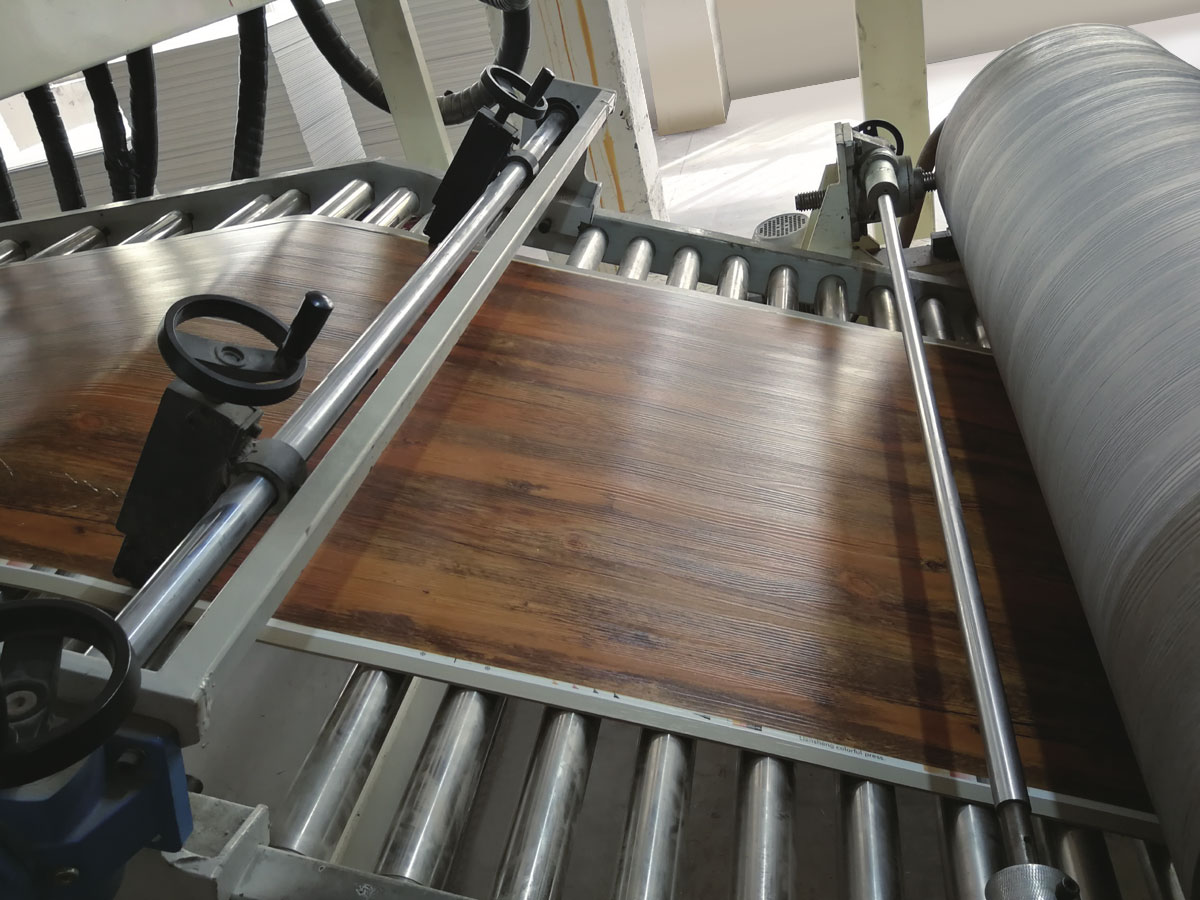
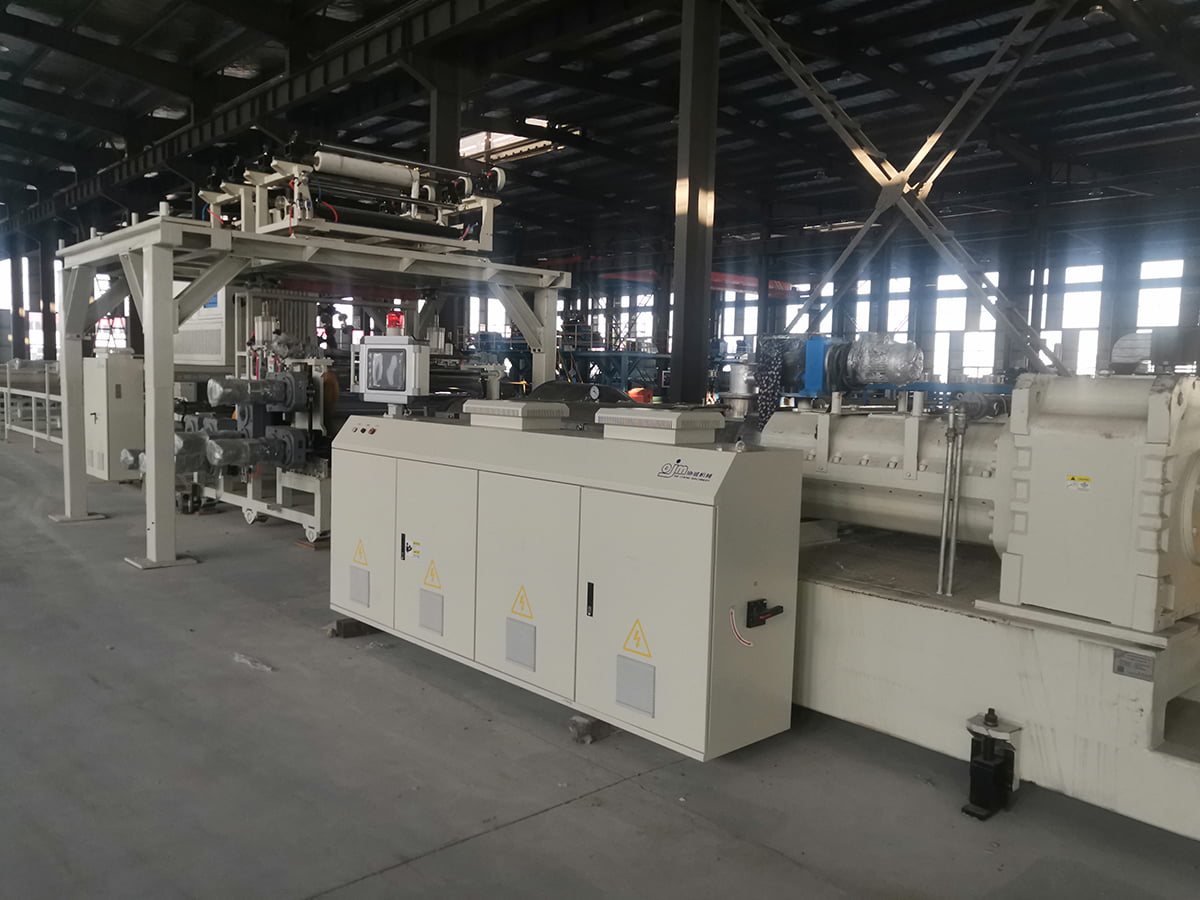 PVC/WPC/SPC Composite Flooring Production LineSPC stone plastic flooring line for mixing PVC resin and calcium carbonate, extruding core, laminating film, and embossing; relevant alongside rigid PVC processing discussions.View Product →
Flexible PVC behaves differently again, because plasticizers drop the glass transition temperature well below room temperature. That is what makes leather-like surfaces, coated fabrics, and films soft and drapeable. Here the processing concerns are plasticizer migration and embossing temperature rather than heat resistance.
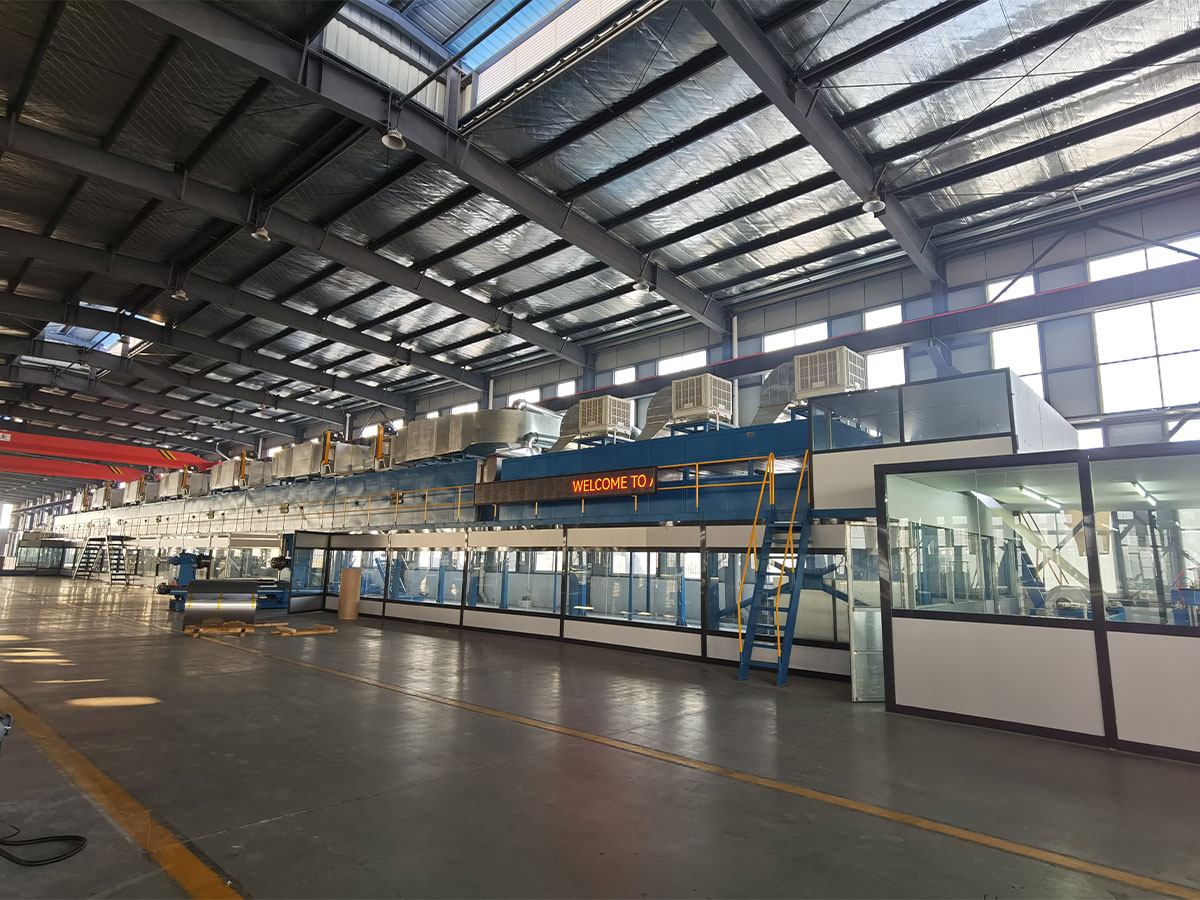
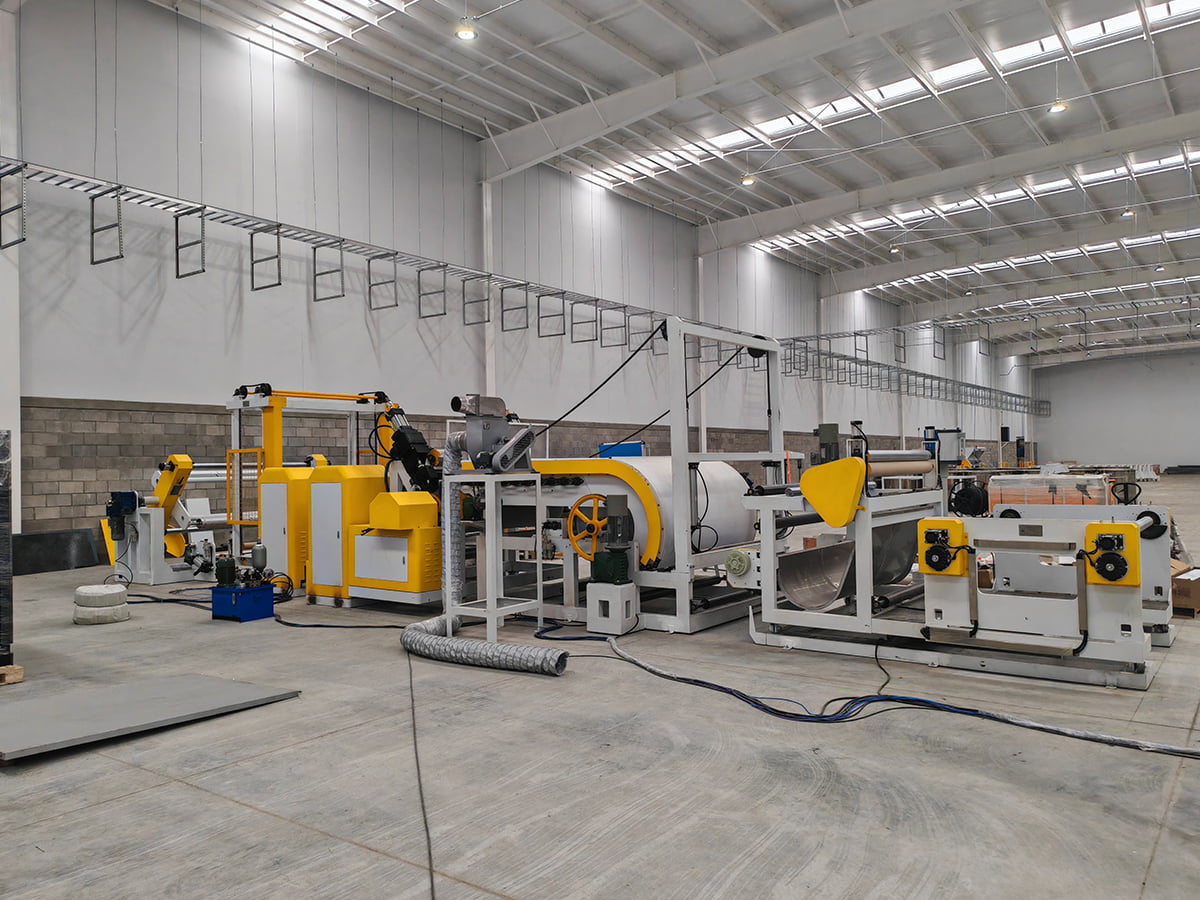 PVC/PU Leather Composite Embossing and Coating LineOEM line for PVC/PU leather composite, embossing, and coating; suited to flexible PVC discussions involving leather-like surfaces, coated fabrics, and films.View Product →
CPVC: a narrower window and stricter hardware
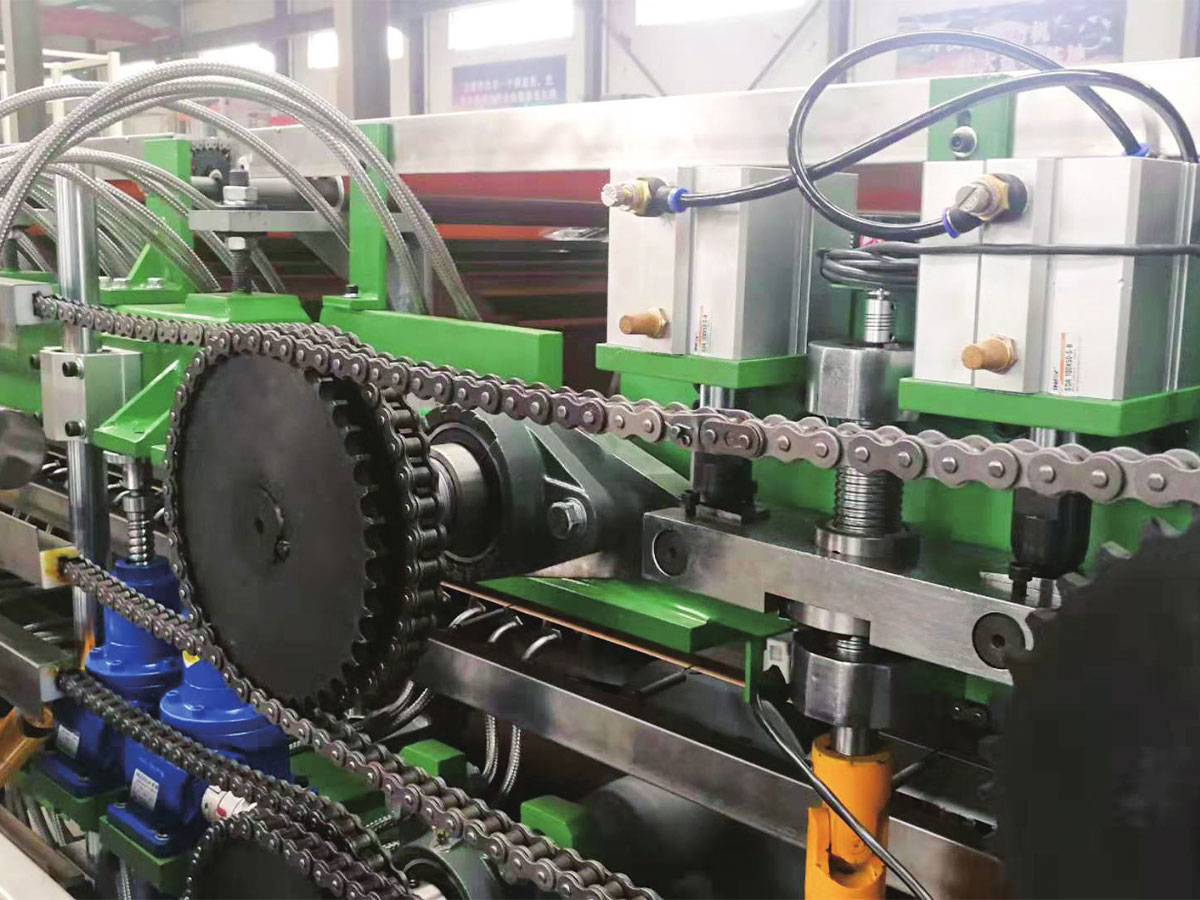
CPVC processes at higher temperatures, roughly 190 °C to 215 °C, with higher melt viscosity and far less tolerance for overheating. Above about 220 °C, dehydrochlorination begins and releases hydrogen chloride. That gas attacks ordinary carbon steel contact surfaces, discolors the product, and can degrade mechanical properties before any visible defect appears. Lines built for CPVC need tighter zone control, corrosion resistant barrel and screw metallurgy, and screw geometry matched to higher torque demand.
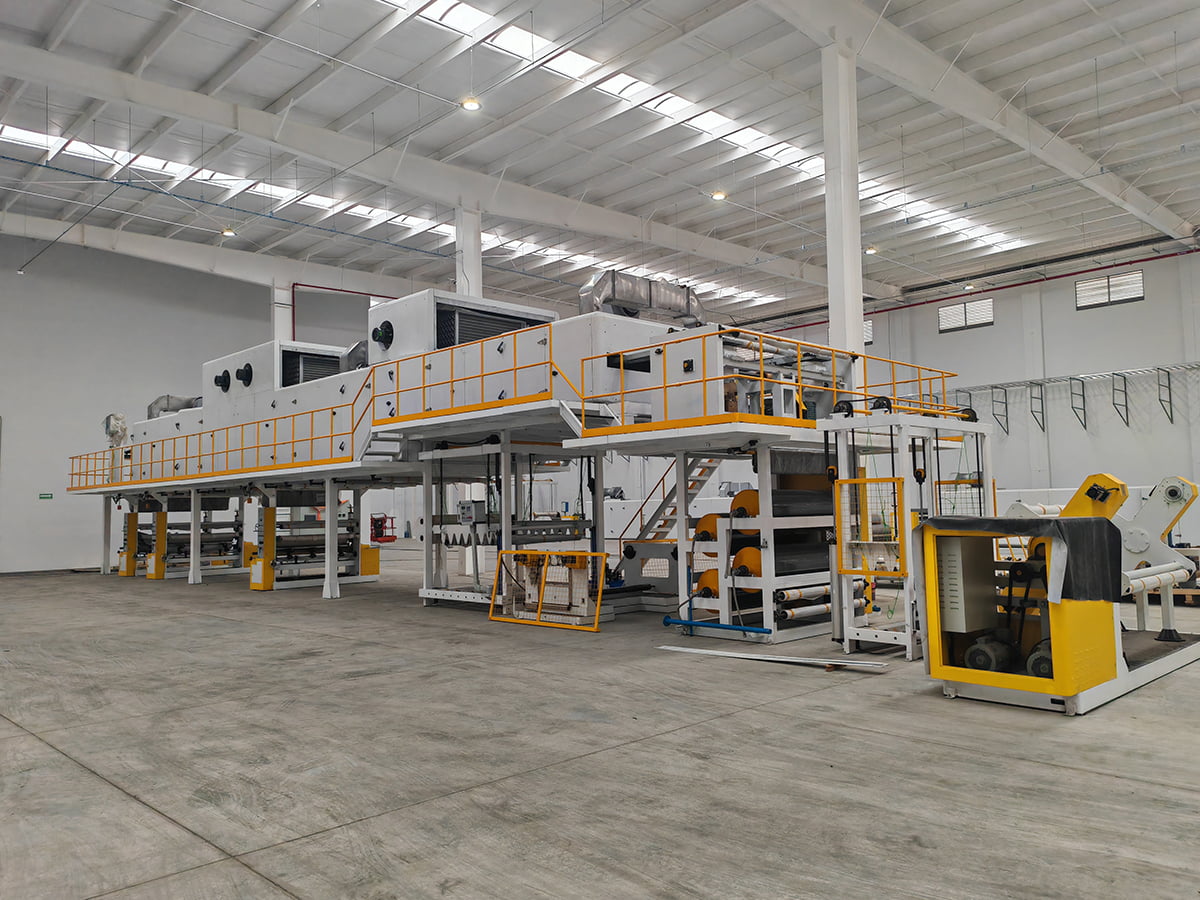
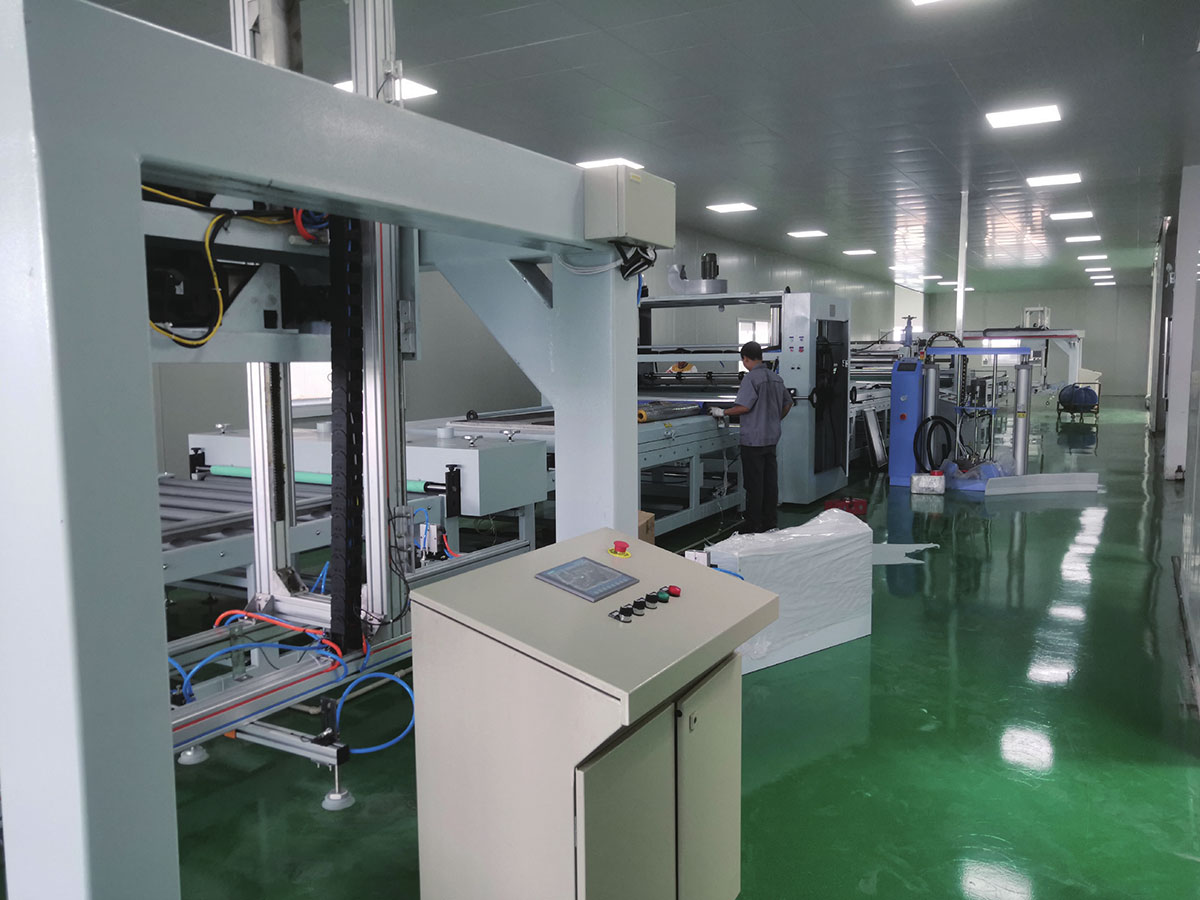
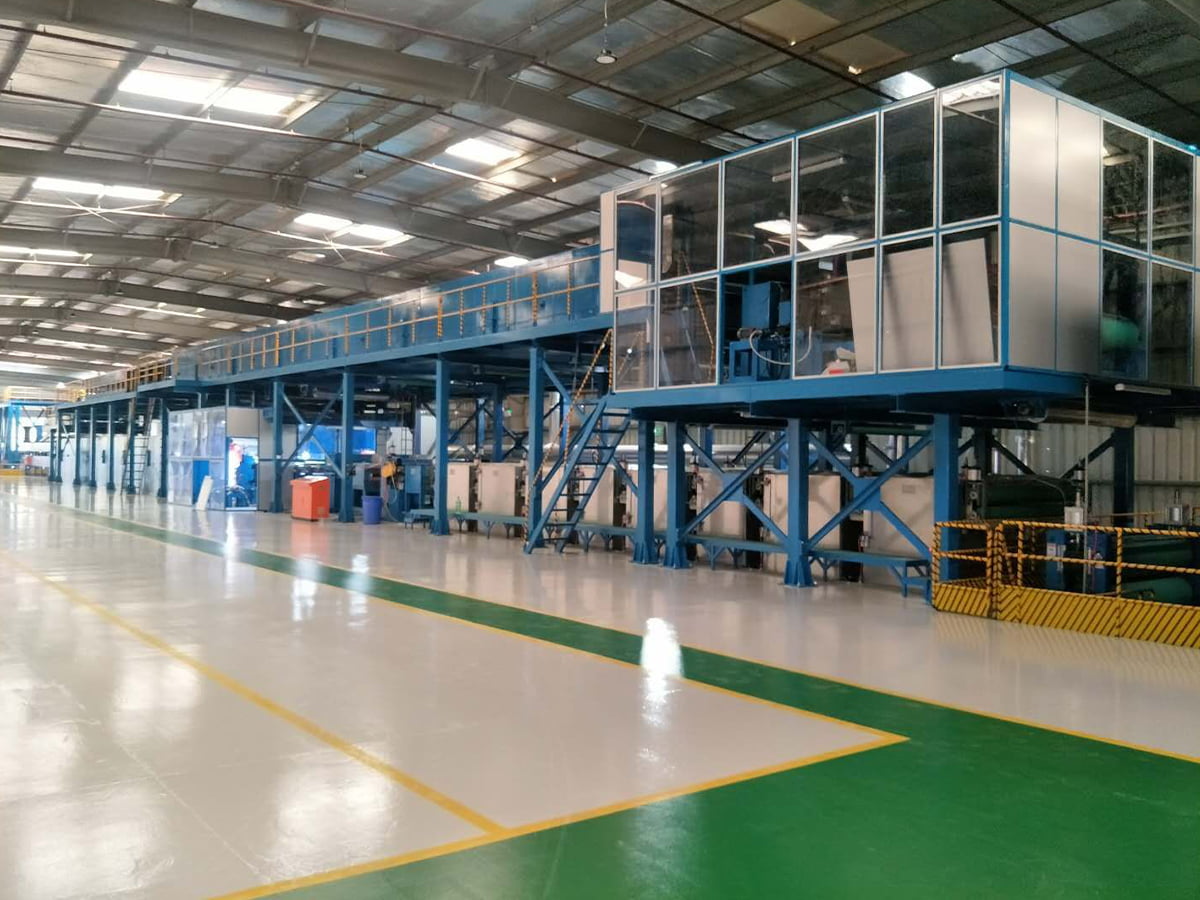
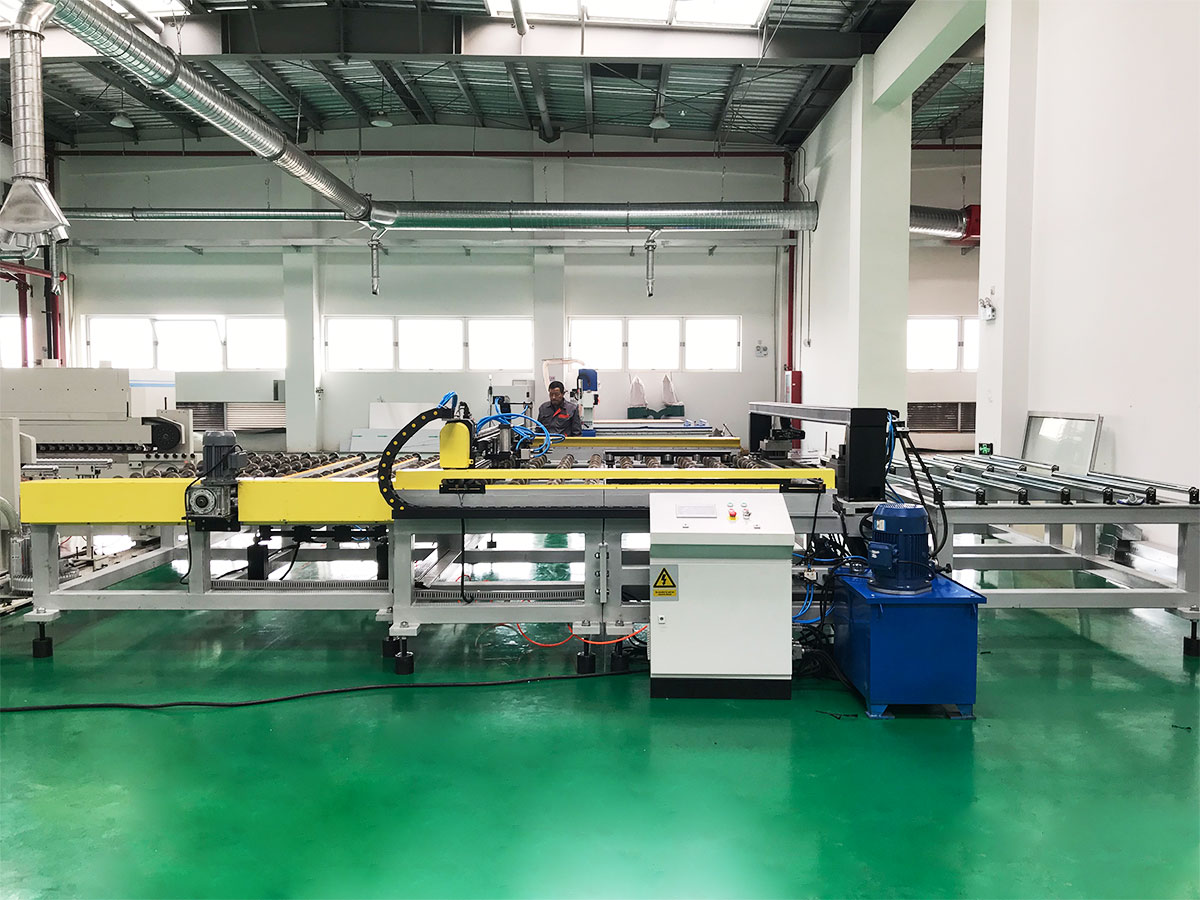 Custom-Built Equipment and Non-Standard Production LinesOEM custom-built production line for non-standard manufacturing; relevant when matching equipment specifications to CPVC processing demands and chlorination levels.View Product →
For a processor, the practical takeaway is that the chlorination level of the compound should drive the equipment specification, not the other way around. A line sized and configured for rigid PVC will run it well, but may struggle the moment the recipe moves toward a higher chlorine content or a tighter thermal window.
Joining, Identification, and Other Field Mistakes
Most failures blamed on material quality turn out to be installation errors. The common ones are predictable.
- Solvent cement is not interchangeable. PVC cement and CPVC cement have different formulations and working times, and using PVC cement on CPVC joints is a recognized cause of premature leaks.
- Gluing PVC directly to CPVC is not a reliable joint. Use a listed transition fitting instead.
- Threading is discouraged on both materials, and PVC becomes notch sensitive at low temperatures.
- Color is a clue, not proof. PVC is usually white or gray while CPVC is typically light tan or beige, but the printed pipe marking is the reliable identifier.
- The drop-in-water test does not work. Both materials are denser than water and both sink.
- Thermal expansion is similar for both, so support spacing and expansion loops still have to follow the manufacturer's tables.
A Selection Checklist Before You Order
- Confirm the highest sustained temperature, including solar gain and dead-head conditions.
- Derate the pressure rating at that temperature using the manufacturer's table, not the 23 °C figure.
- Classify the service as cold water, hot water, drainage, or chemical.
- Check local code and listing requirements before assuming CPVC is permitted for hot water or sprinkler duty.
- Compare installed cost, not material cost alone. CPVC material can run two to four times the price of PVC, while labor is broadly similar.
- Confirm that cement, fittings, and transition pieces match the pipe you bought.
- Verify the printed marking on every length before it goes into the trench or the wall.
Questions That Come Up Most
Is CPVC simply a different color of PVC?
No. Color is a useful hint, but the real difference is chlorine content and the resulting temperature performance. A tan pipe that is not marked CPVC is not CPVC.
Can I use PVC cement on CPVC pipe?
No. CPVC cement is formulated for the higher softening temperature and the different solubility of the material. Reusing PVC cement on CPVC joints is a known cause of leaks.
Can PVC and CPVC be connected directly?
Only with a transition fitting rated for both materials. A glued PVC to CPVC joint has no reliable long-term performance.
Choosing between PVC and CPVC comes down to temperature, pressure, and code, in that order. Cold lines belong to PVC, hot water and anything approaching 90 °C belongs to CPVC, and chemical service needs its own review. For manufacturers running PVC compounds, the same chlorine content that sets the pipe rating also sets the processing window, the tooling requirements, and the level of temperature control a line needs. If you are planning a PVC based production line and want the equipment matched to your recipe rather than the other way around, talk to our engineers and they can review the compound and the target output with you.