
 English
 русский
 Español
 عربى

Content
A fabricator orders 40 tonnes of painted steel coil in a light grey, reads the mill certificate, sees 20 microns of topcoat, and releases it to the folding line. Three weeks later the parts crack at the bend and the batch is quarantined. The certificate was accurate. The coil was still wrong, because dry film thickness on its own says nothing about adhesion, flexibility, or how evenly the coating was cured across a 1250 mm strip.
That is the short conclusion: painted steel coil is a system, not a single specification line. Its performance comes from four variables working together, the steel substrate, the pretreatment, the coating build, and the curing profile. Get three of them right and the fourth wrong, and the coil will fail in a way that no incoming inspection catches until the material has already been cut.
The notes below come from the equipment side, where coil coating lines are built and where most of these variables are actually decided, long before the coil reaches a customer.
What painted steel coil actually is
Painted steel coil, also called prepainted or precoated steel coil, is a continuous strip that has been cleaned, given a conversion coating, primed, topcoated, cured, and recoiled in a single pass. The steel underneath is usually cold rolled, hot dip galvanized with roughly 100 to 275 grams per square meter of zinc, or zinc aluminium coated. Each substrate changes what the paint has to do. A bare cold rolled strip relies almost entirely on the organic coating for corrosion protection, while a galvanized strip gives the paint a sacrificial layer to work with at cut edges and drilled holes.
Above the steel sits a layered coating system, typically 5 to 8 microns of primer and 15 to 25 microns of topcoat, with an optional backer coat on the reverse face. Polyester topcoats cover most general building and appliance work, silicon modified polyester adds heat resistance, and PVDF is chosen where a long exterior warranty is required. Epoxy primers dominate on galvanized substrates because they bond well to the conversion coating and resist undercutting corrosion.
The parameters below are the ones buyers and line engineers argue about most often. They are typical ranges, not universal ones, and every one of them should be agreed against the actual end use rather than copied from an old purchase order.
| Parameter | Typical range | Why it matters downstream |
|---|---|---|
| Substrate thickness | 0.20 to 1.20 mm | Outside the line window, strip tension and coating weight become unstable |
| Zinc coating mass | 100 to 275 g/m2 | Sets corrosion life at cut edges and bends |
| Primer dry film | 5 to 8 microns | Too thin and topcoat adhesion drops sharply |
| Topcoat dry film | 15 to 25 microns | Directly tied to warranty class, gloss retention and cost |
| Backer coat | 5 to 10 microns | Protects the inner face during forming and handling |
| T bend result | 2T to 4T | Predicts whether the coil survives folding without cracking |
| Pencil hardness | H to 2H | Surface resistance to abrasion in transit and on the line |
| MEK double rubs | 100 or more | A quick indicator of whether the coating is fully cured |
| Gloss at 60 degrees | 20 to 80 units | Aesthetic match, and harder to hold consistency at high gloss |
| Colour difference | 1.0 or below | Controls batch to batch matching on visible facades |
How the line turns steel into the finished coil
Understanding the sequence explains most quality disputes, because every defect can usually be traced back to one specific stage.
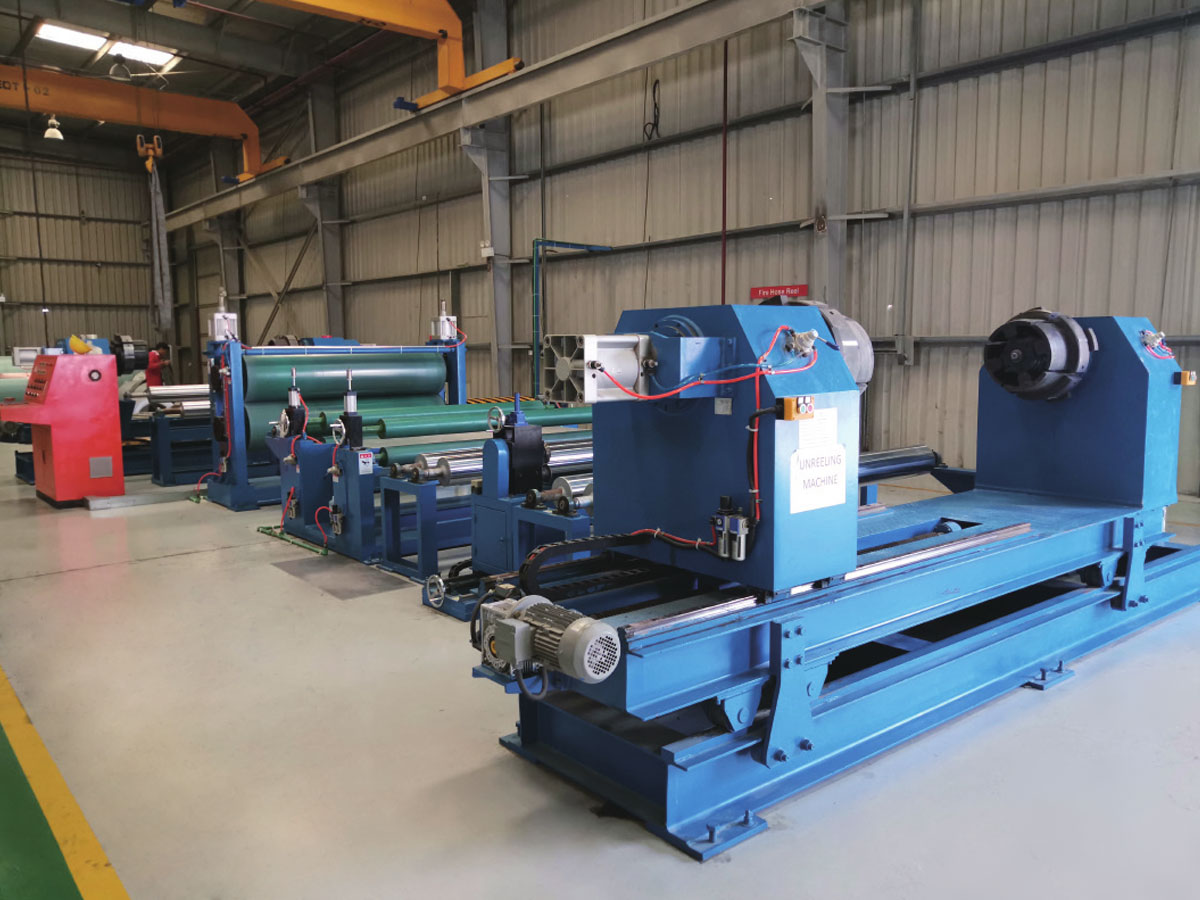
- Uncoiling and splicing. The strip is joined so the line can run continuously, and the splice itself is a common source of marking and coating skips.
- Cleaning. Alkaline degreasing with brush scrubbing removes rolling oil and surface contamination. Residual oil is the single most common cause of patchy adhesion.
- Conversion coating. A thin chromate free or chromated layer is applied to anchor the primer and slow corrosion creep under the film.
- Primer application and curing. Roller coating applies a thin, even primer, which is cured before the topcoat goes on.
- Topcoat application and curing. The finish coat is applied, then cured to a defined peak metal temperature, typically around 200 to 232 degrees C for polyester and 230 to 245 degrees C for PVDF.
- Optional printing or film lamination, then recoil, edge trimming and inspection.
Under-curing shows up as low MEK resistance, poor adhesion and blocking in the coil. Over-curing makes the film brittle, and the first symptom is cracking on a T bend. Oven length and line speed are locked together, so raising throughput without extra oven capacity quietly reduces peak metal temperature and pushes the problem downstream to the customer.
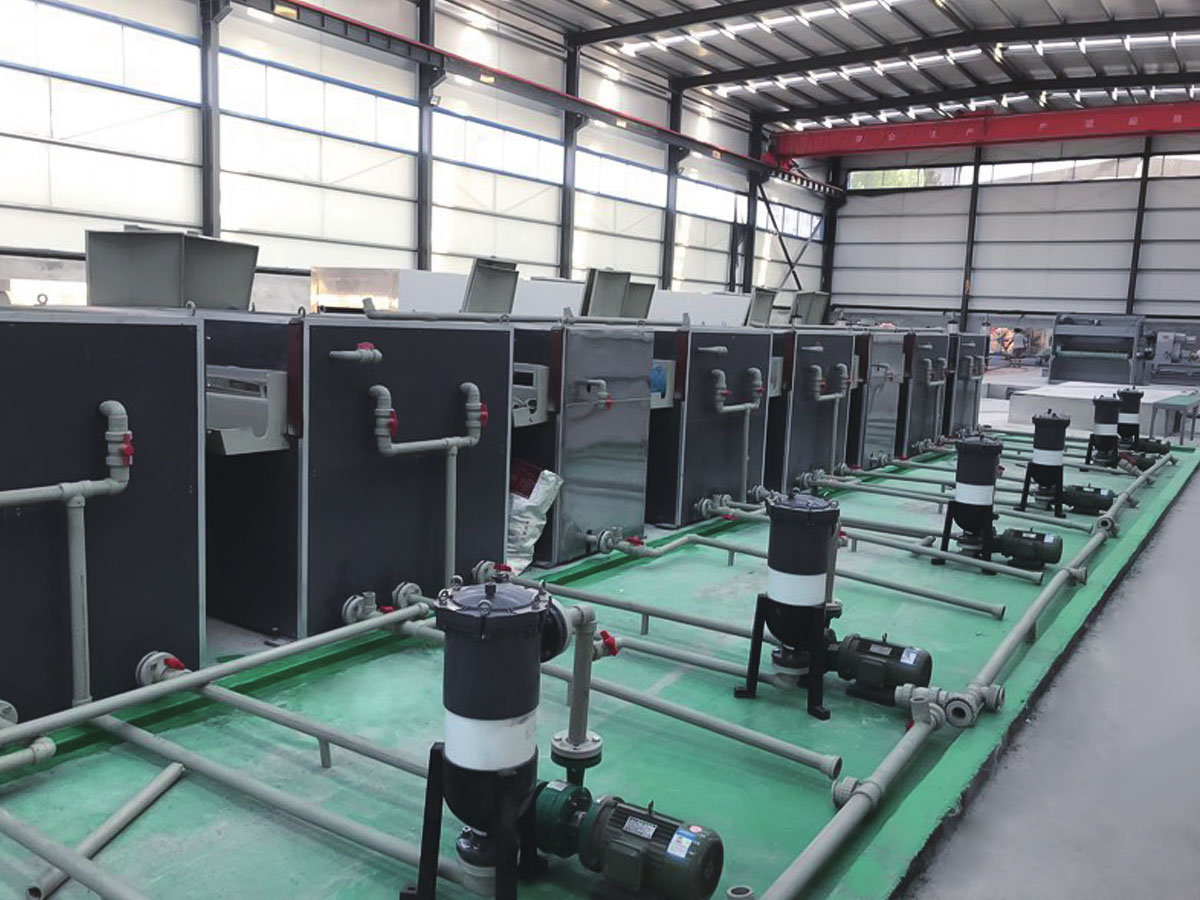 Chromium-Free Metal Coil Pretreatment Cleaning LineMulti-stage spray cleaning and conversion coating system for preparing coil surfaces before color coating, supporting paint adhesion and consistent pretreatment.View Product →
The defects that cause the most rejections
Most complaints about painted steel coil cluster into a small number of familiar patterns. Each one points to a different part of the process.
- Adhesion loss after forming. Usually pretreatment or primer related, sometimes oil carryover from cleaning.
- Cracking at folds. A flexibility problem, driven by resin choice, cure level, or film build that is too heavy for the bend radius.
- Colour drift between batches. Often a pigment or oven condition issue rather than a formulation issue, and best controlled with retained samples and a defined colour tolerance.
- Edge rust appearing within months. Frequently a zinc mass or edge trim quality issue rather than a paint failure.
- Gloss loss on exterior panels. Typically an under-cured film or a resin grade that does not match the exposure environment.
- Surface marking and roller lines. Handling, accumulator contact or worn applicator rollers.
The practical lesson is that a coil can pass a thickness check and still carry three of these risks. Inspection has to test the properties that relate to the forming operation, not just the ones that are easy to measure.
What belongs in the purchase specification
If you buy painted steel coil regularly, a short but specific specification prevents most disputes. It does not need to be long, but it does need to name the tests and the acceptance values.
- Substrate grade, thickness and zinc mass, stated as a range with the tolerance on thickness clearly defined.
- Dry film build for primer, topcoat and backer separately, not a single total figure.
- T bend tested at the radius you actually form, not a nominal radius.
- MEK double rub count, plus a pencil hardness value for handling resistance.
- Salt spray hours and the standard used, with a clear statement of whether scribed or unscribed panels are tested.
- Colour difference limit under an agreed light source, with retained physical samples held by both parties.
- Coil inner diameter, maximum coil weight, and packaging with edge protection and moisture barrier.
Two extra habits pay for themselves. Ask for a short production sample before the full order, and keep a retained length from every batch. When a dispute appears six months later, those samples settle it in an afternoon instead of a month of email.
Matching the coating line to the product
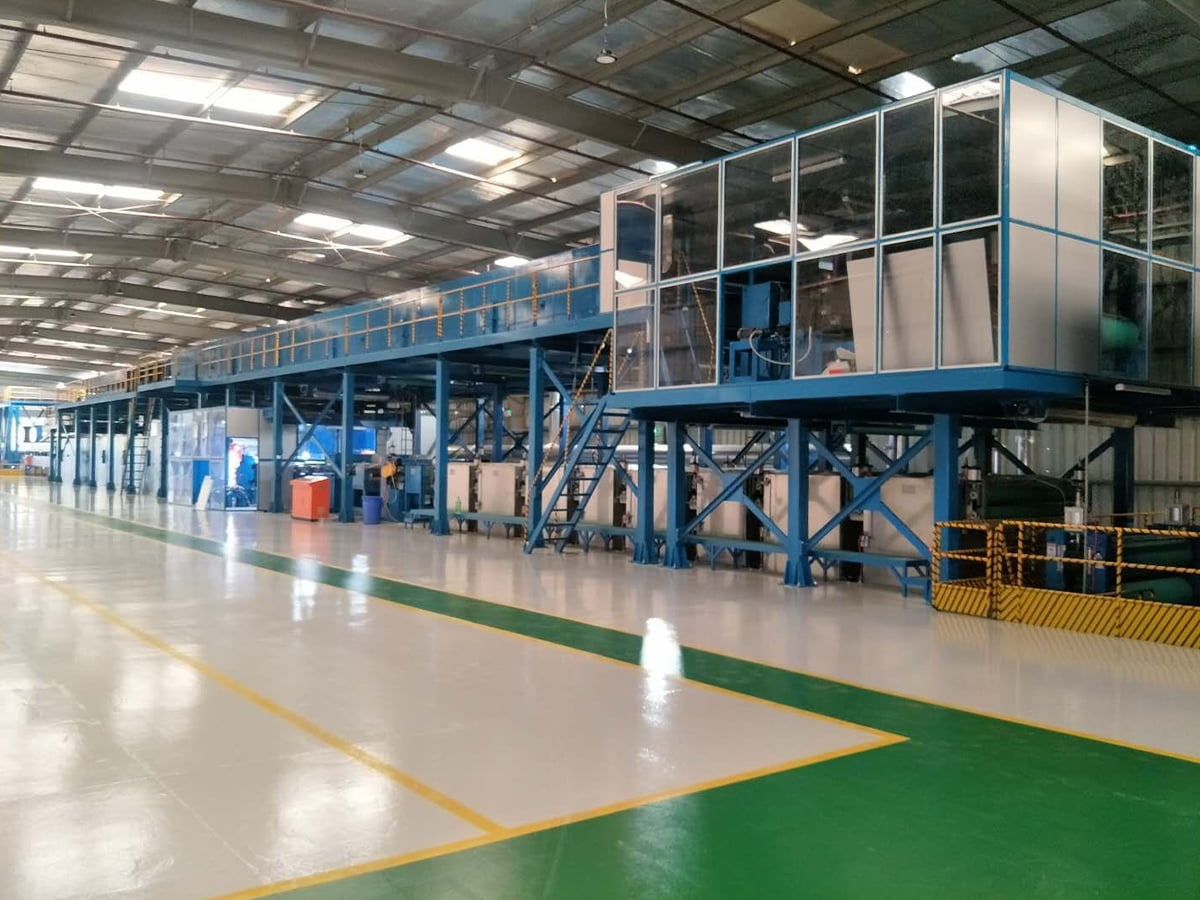
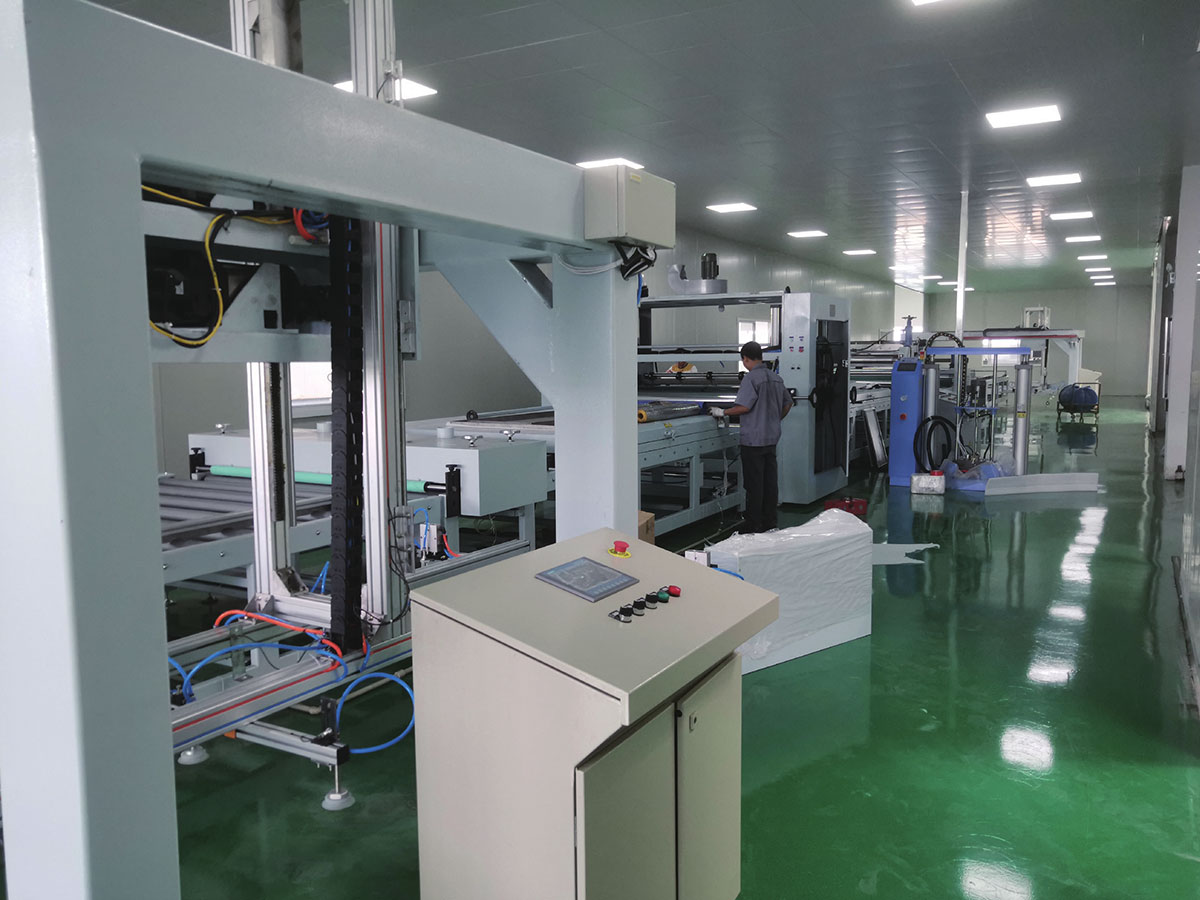
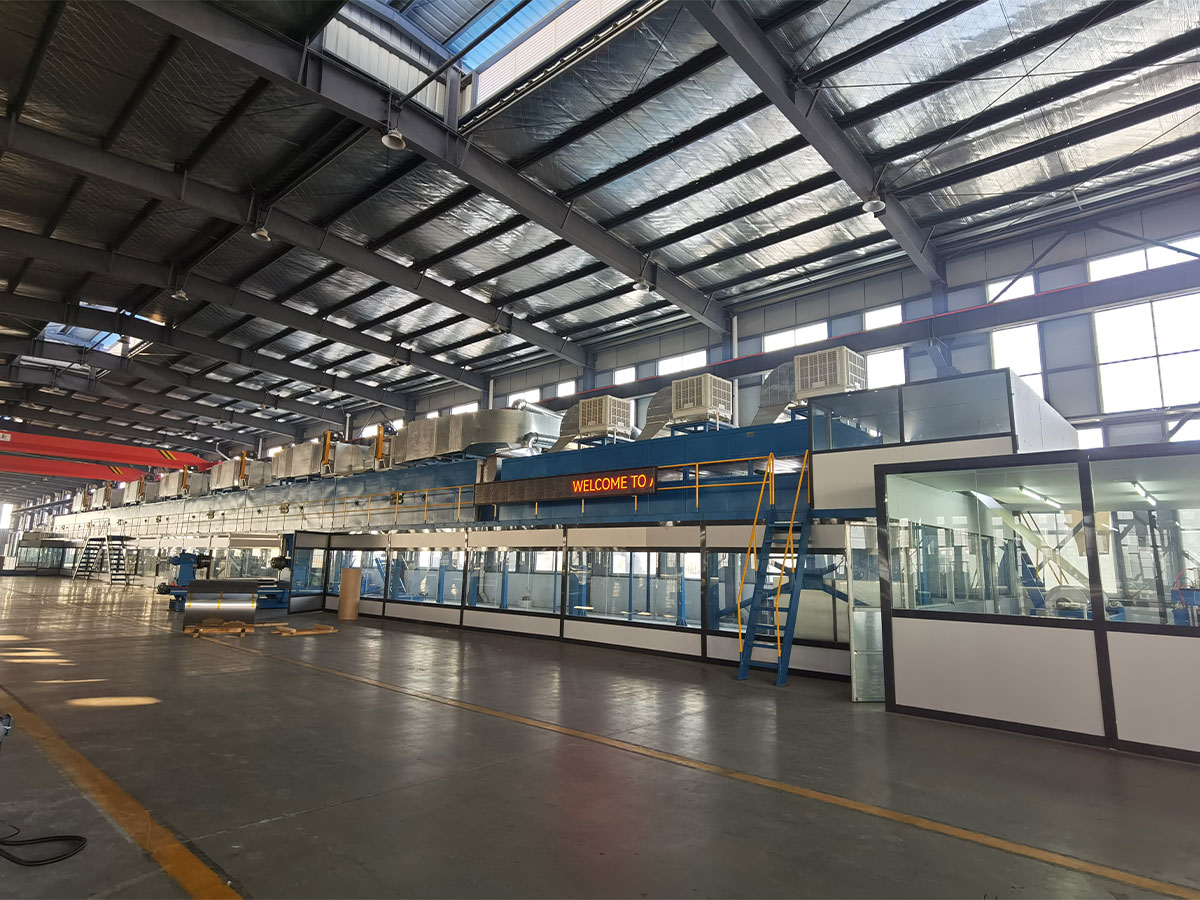
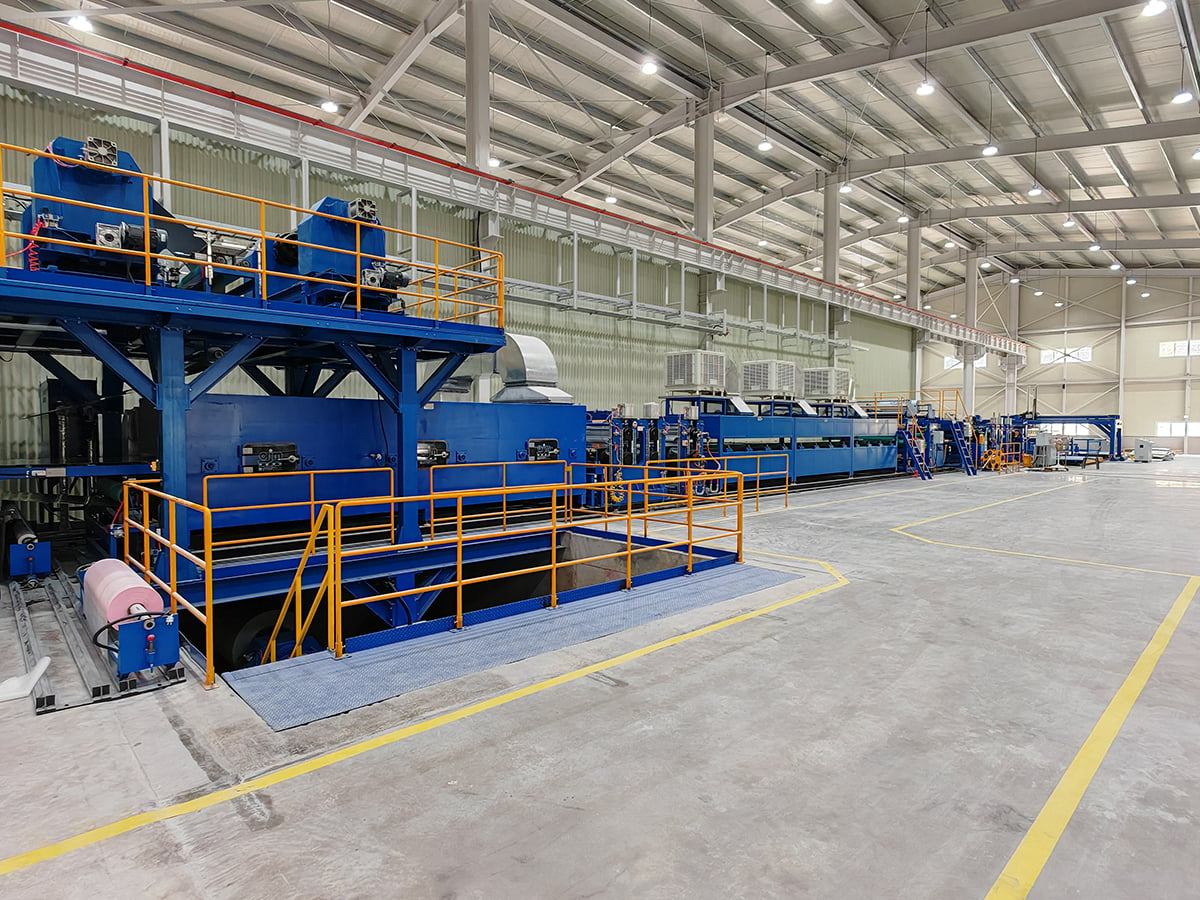
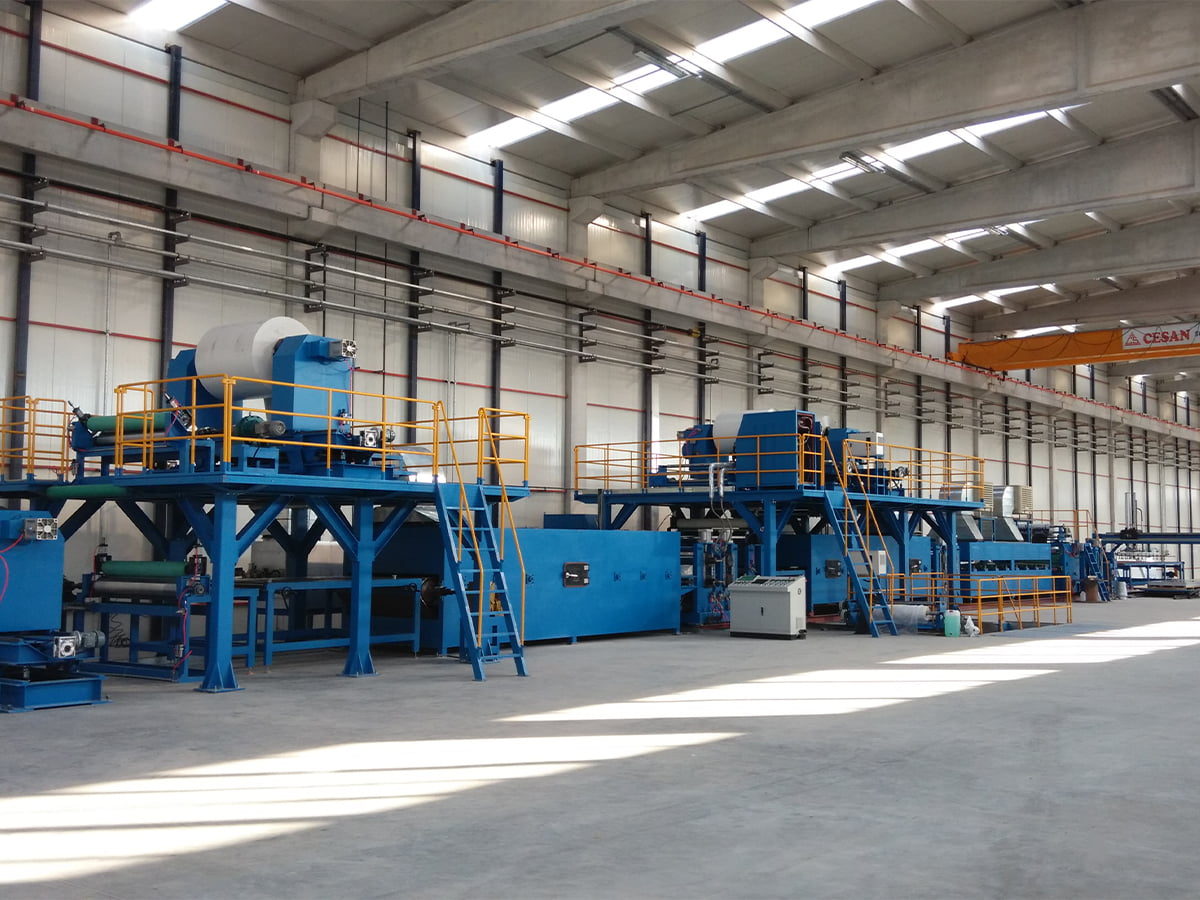
For anyone building or upgrading production capacity, the coil specification and the line specification have to be written together. Line speed, oven length and curing requirement form a fixed relationship, and a line designed for 1.0 mm substrate at 40 metres per minute will not deliver the same cure at 1.5 mm and 55 metres per minute. Roller coating suits thin, consistent films and fast colour changes, while combined roller and spray configurations give more flexibility on heavier builds and specialty effects. Accumulator capacity decides how often a colour change stops the line, and that number has a direct effect on scrap at the head and tail of each coil.
These decisions are much cheaper to make before the foundation is poured. The production advantages of a metal coil coating line are almost entirely set at the design stage, not at commissioning.
 Color Coating Line for Metal Coil ProductionAutomated coil coating line with multi-stage pretreatment, four-roll reverse coating and multi-zone curing, suited to specifying coating build and cure windows early.View Product →
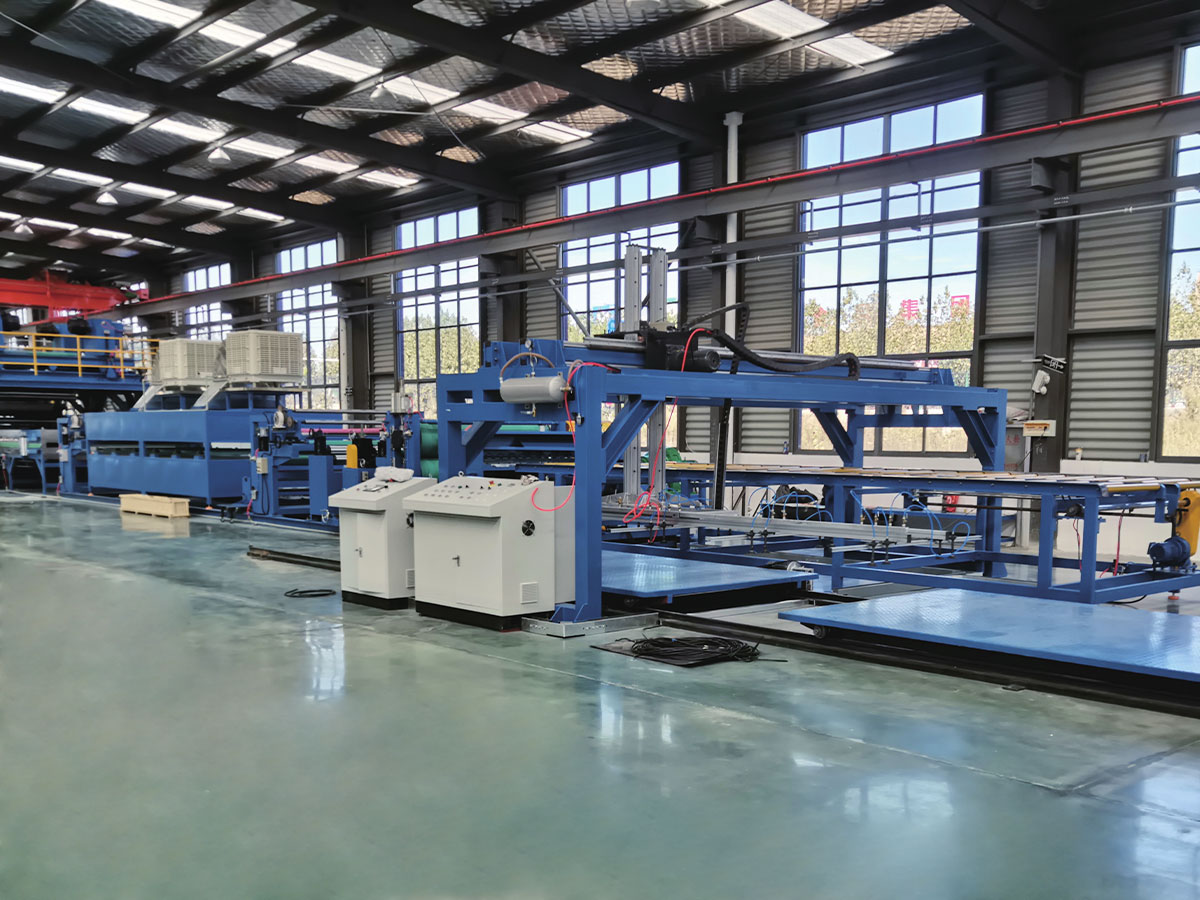 Combined Roller and Spray Coating LineOEM combined roller and spray coating line for metal coil coating; request a quotation and confirm specifications before design-stage decisions.View Product →
Painted steel coil rewards buyers who treat it as a process outcome rather than a catalogue item. Agree the substrate, the coating build, the cure window and the forming tests before the first coil is ordered, and the certificate becomes a confirmation rather than a surprise. If you are specifying a new line or reviewing a coating problem on existing equipment, talk to our engineers and bring the substrate grade, the target film build and the bend radius with you. Those three details usually shorten the conversation considerably.